
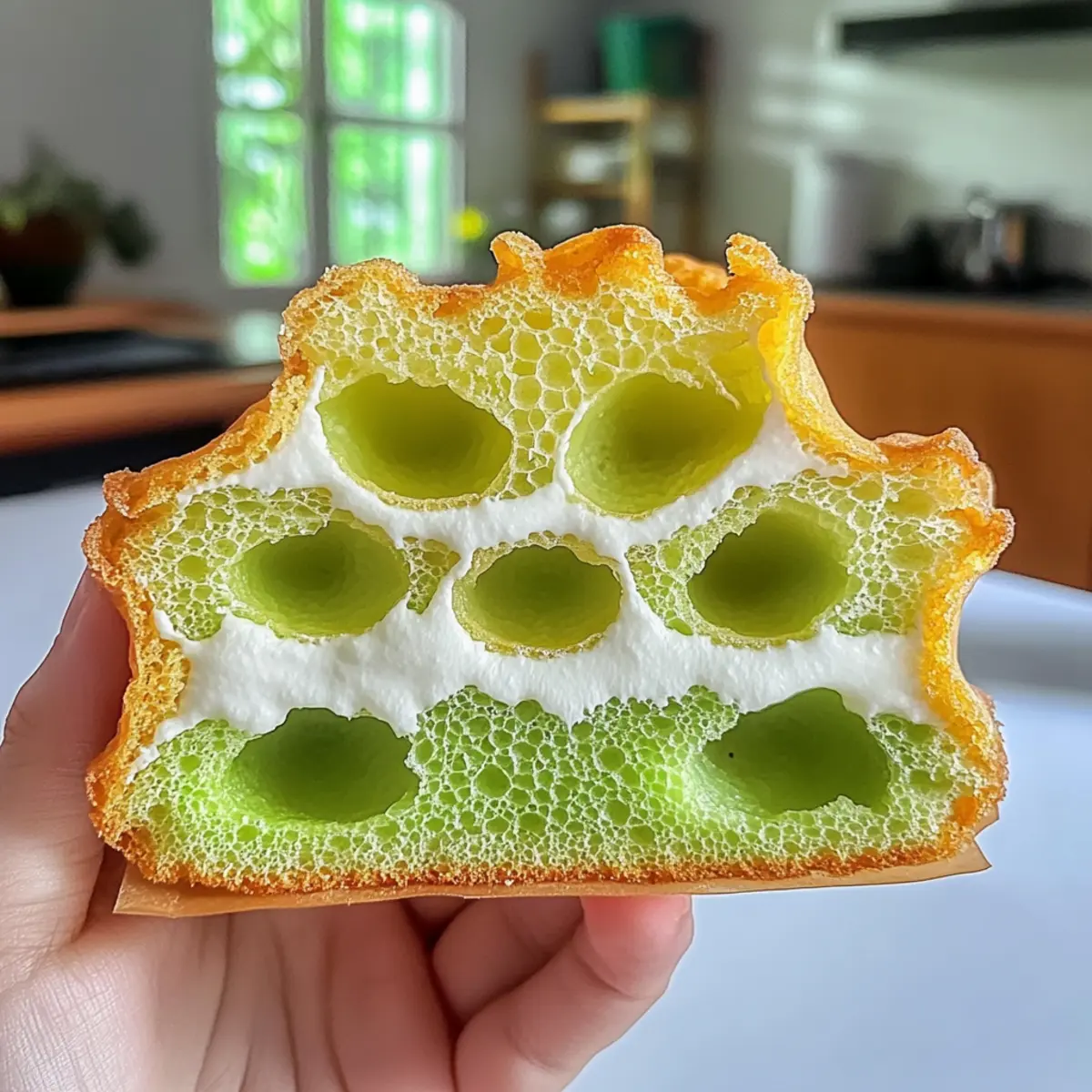
As I sifted flour and measured sweet coconut milk, I was suddenly transported to the bustling streets of Vietnam, where the scents of warm Banh Bo Nuong waft through the air. This Easy Vietnamese Honeycomb Cake marries the exotic flavors of pandan and coconut into a gluten-free and dairy-free dessert that’s perfect for any occasion. Not only will its whimsical honeycomb pattern mesmerize your guests, but it also boasts an impressively light and fluffy texture that’s sure to delight. With minimal prep time and a recipe designed for home chefs of all skill levels, this cake makes indulging in homemade desserts accessible and guilt-free. So, are you ready to bring a taste of Vietnam into your kitchen? Let’s dive into this delightful journey!
Why is this cake so special?
Exquisite Flavors: The harmonious blend of pandan and coconut offers an exotic taste experience that will transport you straight to Vietnam.
Easy to Make: With straightforward instructions, both novice and experienced bakers will find this recipe simple and approachable.
Gluten-Free Delight: Perfect for those with dietary restrictions, this cake is gluten-free and dairy-free, making it a safe choice for everyone.
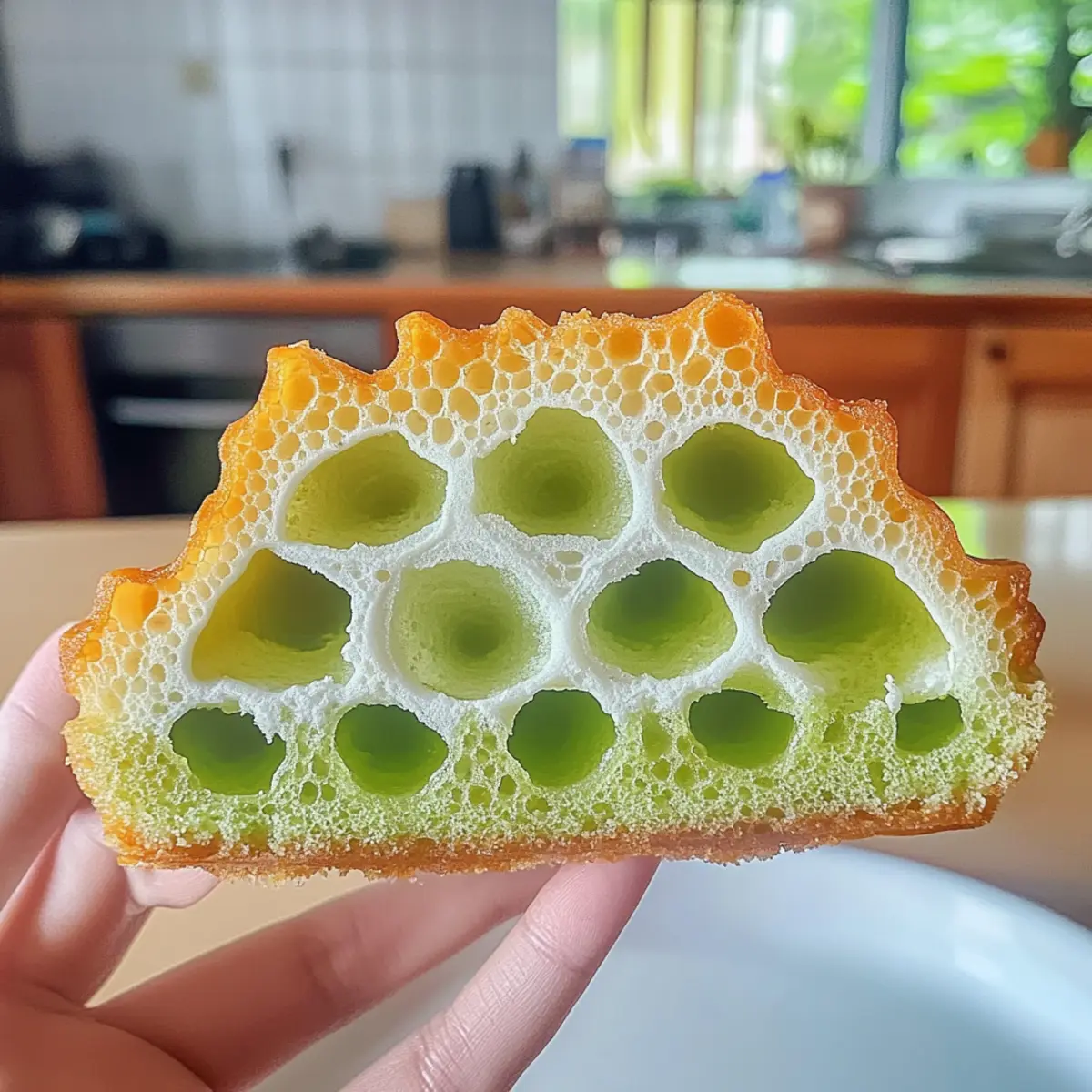
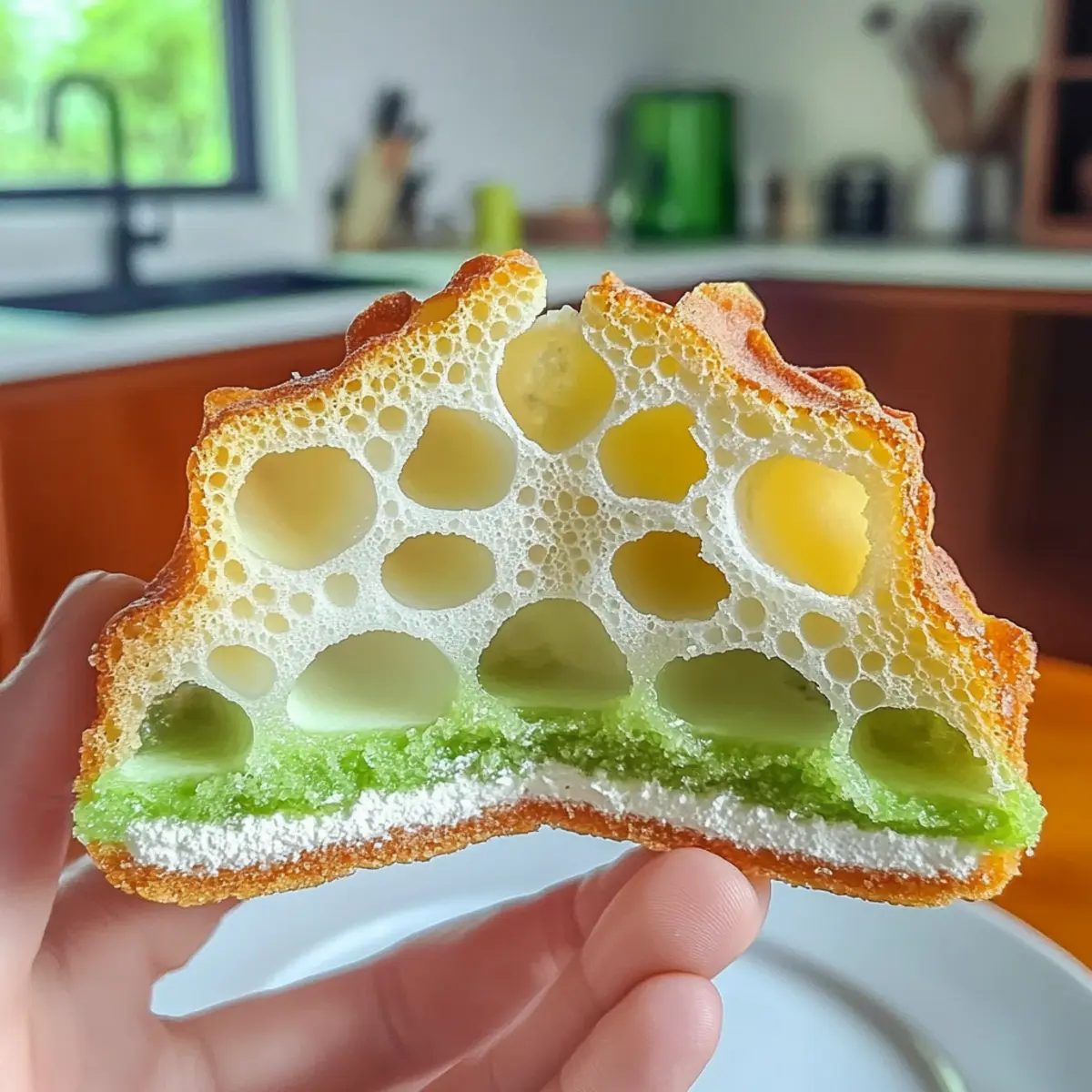
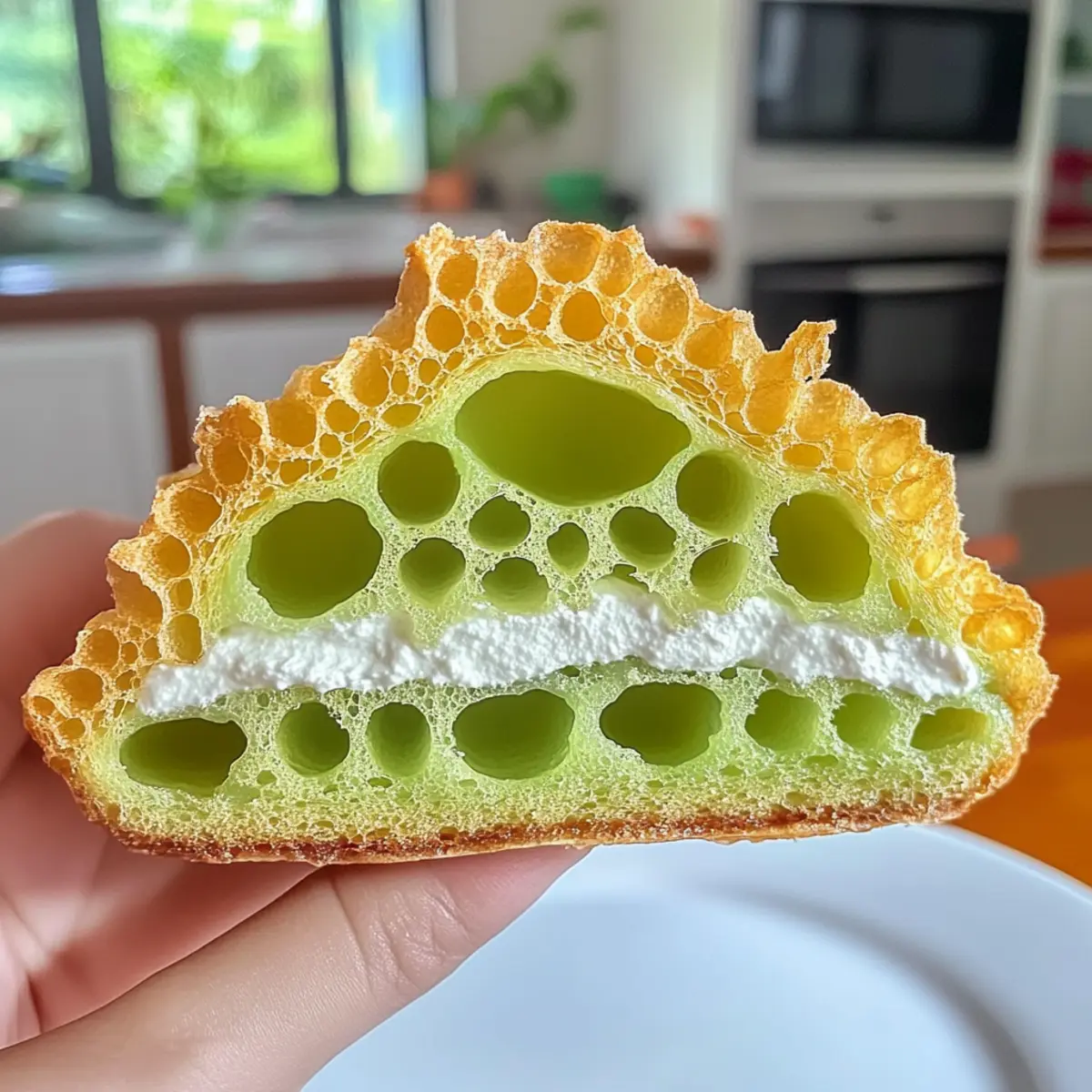
Stunning Appearance: The beautiful honeycomb pattern not only looks impressive but also adds a fun touch to your dessert table.
Versatile Treat: Enjoy it as a sweet snack, dessert, or even a party centerpiece; this cake is perfect for any occasion!
Pairing Perfection: Serve alongside coconut ice cream or fresh mango slices for a delightful contrast in flavors.
Vietnamese Honeycomb Cake Ingredients
For the Batter
- Coconut Milk – For richness and moisture in the cake; use full-fat for best results.
- Pandan Leaves – Provides a distinct flavor and aroma; substitute with 1 tsp of pandan extract if leaves are unavailable.
- Eggs – Contributes to structure and helps achieve a fluffy texture; use large eggs.
- Granulated Sugar – Sweetens the cake; adjust to taste based on preference.
- Pandan Extract – Enhances the pandan flavor; use ½ tsp; double if substituting fresh pandan leaves.
- Vanilla Extract – Adds depth to the cake’s flavor profile.
- Tapioca Starch – Critical for the signature honeycomb texture; do not substitute.
- Baking Powder – Leavening agent for rise; ensure it’s fresh for best results.
- Salt – Balances the sweetness and enhances flavor.
This delicious Vietnamese Honeycomb Cake combines unique ingredients to create a dish that’s as delightful in taste as it is in presentation!
Step‑by‑Step Instructions for Vietnamese Honeycomb Cake
Step 1: Preheat the Oven and Pan
Begin by preheating your oven to 350°F (177°C). Place your bundt pan in the oven while it heats for about 10 minutes; this ensures the cake releases easily and develops that perfect texture when baking.
Step 2: Prepare the Coconut Mixture
In a blender, combine the coconut milk and pandan leaves, blending until smooth to extract all the lovely flavors. Next, use a fine mesh sieve to strain the mixture into a bowl, discarding the solids. This coconut mixture is crucial for your Vietnamese Honeycomb Cake’s moist and rich base.
Step 3: Mix Wet Ingredients
In a large mixing bowl, gently whisk the strained coconut mixture with the eggs and granulated sugar until well combined. Take care to mix just until everything is blended, avoiding over-mixing, which can affect the cake’s fluffy texture.
Step 4: Add Flavorings
Incorporate the pandan extract and vanilla extract into the wet mixture with gentle strokes. This step is essential as it enhances the aromatic qualities of the Vietnamese Honeycomb Cake, giving it that delightful, nostalgic flavor.
Step 5: Combine Dry Ingredients
In a separate bowl, whisk together the tapioca starch, baking powder, and salt to ensure they’re evenly mixed. Gradually fold this dry mixture into the wet ingredients, stirring gently until just combined. Be cautious not to overwork the batter to maintain that desired airy texture.
Step 6: Bake the Cake
Pour the batter into your preheated bundt pan, using a spatula to smooth out the surface. Bake for 50 to 55 minutes, or until a toothpick inserted in the center comes out clean. The cake should have a lovely golden hue and a springy top once baked.
Step 7: Cool the Cake
After baking, allow the Vietnamese Honeycomb Cake to cool in the pan for about 60 minutes. This cooling period is essential; it helps the cake firm up and makes it easier to invert onto a wire rack for further cooling.
Step 8: Invert and Serve
Once cooled in the pan, carefully invert the cake onto a wire rack. Let it cool completely before slicing. The stunning honeycomb pattern will be revealed, making it a showstopper at your dessert table and ready to be enjoyed!
Make Ahead Options
These delightful Vietnamese Honeycomb Cakes are perfect for meal prep enthusiasts! You can prepare the wet ingredients, including the coconut milk mixture and the eggs, up to 24 hours in advance. Just blend the coconut milk with pandan, strain, and store it in an airtight container in the refrigerator. The dry ingredients can also be mixed together ahead of time and kept in a cool, dry place for up to 3 days. When you’re ready to bake, simply combine the prepared wet and dry ingredients, and fold them together gently before pouring the batter into the bundt pan. This way, you’ll enjoy the same light and fluffy texture as if you made it fresh, saving you precious time on busy weeknights!
Vietnamese Honeycomb Cake Variations
Feel free to make this delightful Vietnamese Honeycomb Cake your own by exploring these fun and tasty variations!
-
Sweetener Swap: Use brown sugar for a deeper, caramel flavor that beautifully complements the cake’s texture and aroma.
-
Flavor Enhancements: Consider adding orange or almond extracts for an unexpected twist; these flavors meld wonderfully with the existing ingredients. A splash of zest can brighten up each bite!
-
Mini Versions: For a shareable treat, use muffin tins to create individual mini honeycomb cakes. These delightful bites are perfect for gatherings or as lunchbox surprises.
-
Add Heat: Incorporate a touch of grated ginger or a pinch of cayenne for a spicy kick that contrasts beautifully with the sweet cake. This playful heat will surprise and delight your taste buds.
-
Garnish: Top your cake with fresh fruits like mango or a drizzle of coconut glaze for an added visual appeal and an extra layer of flavor. This will make your cake even more inviting!
-
Coconut Milk Variation: Experiment with flavored coconut milk, such as light coconut or coconut cream, to shift the richness of the cake. Both will provide unique textures while still delivering that lovely coconut taste.
-
Vegan Option: Substitute the eggs with a flaxseed meal (1 tbsp flaxseed mixed with 2.5 tbsp water per egg) for a vegan-friendly version. The texture will be slightly different, but it remains wonderfully fluffy!
-
Nutty Add-In: Mix in some crushed nuts, like toasted almonds or walnuts, for added crunch and flavor. This little twist brings a delightful contrast to the cake’s soft fluffiness.
As you customize your Vietnamese Honeycomb Cake, don’t forget to check out these delightful options that may inspire your next dessert creation: try the Vegan Mango Cheesecake or perhaps the delicious Mini Chocolate Cheesecake!
These variations encourage creativity while maintaining the heart of this enchanting treat. Enjoy baking and tasting every delicious layer!
What to Serve with Irresistible Vietnamese Honeycomb Cake?
Elevate your dessert experience with delightful pairings that balance the cake’s unique flavors and textures.
-
Fresh Mango Slices: The juicy sweetness of ripe mango complements the cake’s lightness, adding a refreshing contrast.
-
Coconut Ice Cream: Creamy and slightly nutty, coconut ice cream enhances the cake’s flavors while adding a cool creaminess to each bite.
-
Jasmine Green Tea: This aromatic tea balances the sweetness of the cake with its floral notes, creating a harmonious tasting experience.
-
Passion Fruit Sauce: A drizzle of tangy passion fruit sauce pops against the honeycomb cake, bringing an exciting burst of acidity.
-
Lychee Fruit: These plump, fragrant fruits provide a delightful texture that pairs wonderfully with the airy cake.
-
Sweetened Condensed Coconut Milk: Drizzling this rich, creamy sauce over your cake adds a luxurious touch that is hard to resist.
Combining these suggestions with the Vietnamese Honeycomb Cake will turn your dessert into a stunning culinary journey full of complementary flavors!
How to Store and Freeze Vietnamese Honeycomb Cake
Room Temperature: Store your cake in an airtight container at room temperature for up to 3 days to maintain its delightful fluffiness and flavor.
Fridge: If you prefer longer storage, keep in the fridge for up to one week. Just ensure it’s well covered to prevent it from drying out.
Freezer: For longer preservation, wrap the cooled Vietnamese Honeycomb Cake tightly in plastic wrap and aluminum foil; it can be frozen for up to 2 months.
Reheating: To enjoy your frozen cake, simply thaw it overnight in the fridge. For a warm treat, reheat slices briefly in the microwave, just until warmed through.
Tips for the Best Vietnamese Honeycomb Cake
-
Perfect Preheating: Always preheat both your oven and bundt pan for at least 10 minutes. This step ensures proper cake release and an ideal texture in your Vietnamese Honeycomb Cake.
-
Smooth Coconut Mixture: Strain the blended coconut and pandan thoroughly. This prevents lumps that can affect the cake’s airy rise and overall texture.
-
Gentle Mixing: Avoid overmixing your batter. Gentle folding keeps the airy nature, which is essential for that light, fluffy finish everyone loves in a honeycomb cake.
-
Fresh Ingredients Matter: Use fresh baking powder for optimal rise. Old powder won’t provide the lift needed for that beautiful honeycomb structure.
-
Cooling Time: Don’t rush the cooling process! Allowing the cake to cool in the pan for at least 60 minutes helps solidify its structure, making it easier to invert without breaking.
Vietnamese Honeycomb Cake Recipe FAQs
What type of pandan is best to use for this recipe?
Absolutely! Fresh pandan leaves provide the best flavor and aroma for your Vietnamese Honeycomb Cake. If you can’t find them, you can use 1 teaspoon of pandan extract as a substitute, but the cake won’t have quite the same depth of flavor.
How should I store the Vietnamese Honeycomb Cake after baking?
You can store your cake in an airtight container at room temperature for up to 3 days. If you want it to last longer, refrigerate it for up to one week, ensuring it’s tightly covered to prevent drying out. This way, your cake remains as delightful as the day you baked it!
Can I freeze the Vietnamese Honeycomb Cake? How?
Yes, you can freeze this lovely cake! After it has completely cooled, wrap the cake tightly in plastic wrap, followed by aluminum foil, to prevent freezer burn. It can then be stored in the freezer for up to 2 months. To enjoy, just thaw the cake overnight in the fridge and warm slices in the microwave if desired.
What if my cake doesn’t rise properly?
If your Vietnamese Honeycomb Cake doesn’t rise, it’s likely due to old baking powder or overmixing the batter. Always check that your baking powder is fresh before use! Additionally, make sure to gently fold the dry ingredients into the wet mixture to maintain that fluffy texture.
Is this cake safe for people with dietary restrictions?
Very much so! This Vietnamese Honeycomb Cake is both gluten-free and dairy-free, making it a fantastic option for those with allergies or intolerances. However, always double-check that your ingredients, such as tapioca starch, are certified gluten-free to ensure safety. If you plan to serve it to guests, don’t hesitate to ask about their dietary preferences!
Delightful Vietnamese Honeycomb Cake You Can Make at Home
Ingredients
Equipment
Method
- Preheat your oven to 350°F (177°C) and place your bundt pan inside for about 10 minutes.
- In a blender, combine the coconut milk and pandan leaves, blending until smooth. Strain the mixture into a bowl, discarding the solids.
- In a large mixing bowl, whisk the strained coconut mixture with the eggs and granulated sugar until well combined.
- Incorporate the pandan extract and vanilla extract into the wet mixture with gentle strokes.
- In a separate bowl, whisk together the tapioca starch, baking powder, and salt before folding this dry mixture into the wet ingredients.
- Pour the batter into your preheated bundt pan, smoothing out the surface. Bake for 50-55 minutes or until a toothpick comes out clean.
- Allow the cake to cool in the pan for about 60 minutes before inverting it onto a wire rack.
- Let the cake cool completely before slicing and serving.
Leave a Reply