
As the aroma of roasted sweet potatoes fills my kitchen, I can’t help but feel a sense of comfort. The centerpiece of today’s adventure is the Thai Peanut Sweet Potato Buddha Bowl—your soon-to-be favorite plant-based delight. This recipe is perfect not just for busy weeknights but also an incredible meal prep solution! With a vibrant combination of fresh veggies and a creamy, customizable peanut sauce, it’s a bowlful of nourishment that caters to your taste buds and dietary preferences. Even better, you can easily swap ingredients to match what you have on hand. Ready to dive into a delicious, guilt-free feast that celebrates both flavor and flexibility? Let’s get cooking!
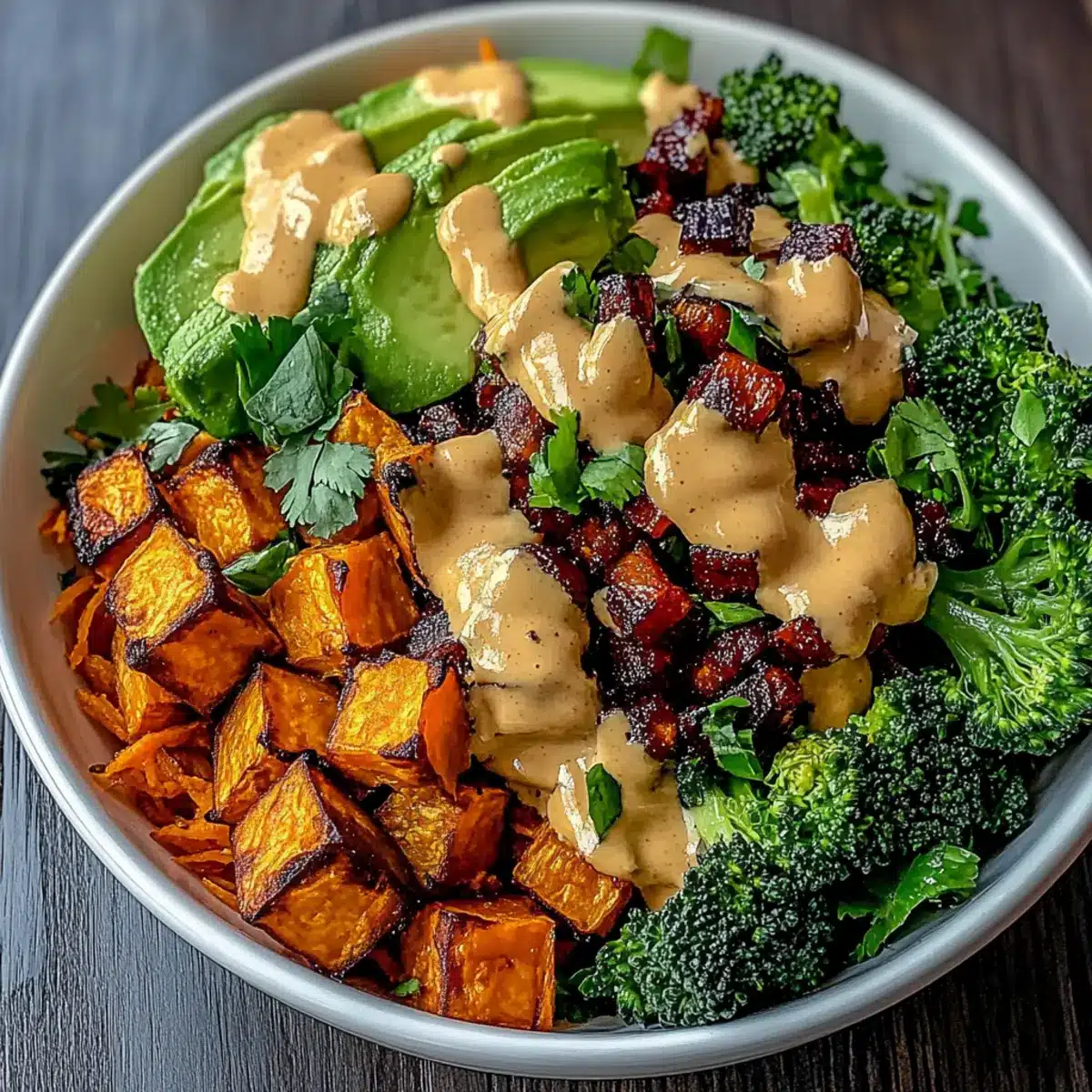
Why is this Buddha Bowl a must-try?
Vibrant, colorful feast: Each bite showcases a medley of hues and textures, making it not only a joy to eat but also a feast for the eyes.
Customizable bliss: Tailor this recipe to your preferences—swap sweet potatoes with butternut squash, or try stir-fried broccoli instead for a different twist!
Wholesome nourishment: Packed with essential nutrients, it offers a balanced meal that nourishes your body without compromising on taste.
Quick prep time: Perfect for busy nights, you can throw this together in 30 minutes, making it an ideal choice for meal prep.
Crowd pleaser: Whether you’re feeding family or hosting friends, this bowl satisfies everyone, proving that plant-based recipes can be loved by all. Try it alongside our Sweet Potato Casserole for a complete plant-based spread!
Thai Peanut Sweet Potato Buddha Bowl Ingredients
For the Buddha Bowl
- Sweet Potatoes – Adds natural sweetness and hearty texture; try butternut squash for a different flavor.
- Olive Oil – Helps roast sweet potatoes to crispy perfection; can be substituted with avocado oil.
- Salt and Pepper – Enhances the overall flavor of the dish; adjust according to taste.
- Broccoli – Provides crunch and nutrition; cauliflower makes a great substitute.
- Shredded Cabbage – Adds freshness and color; swap with kale or spinach if preferred.
- Grated Carrots – Contributes slight sweetness and crunch; pre-grated versions save time.
- Avocado – Introduces creamy texture and healthy fats; tahini is a great nut-free option.
For the Sauce
- Peanut Butter – Key ingredient for the sauce, delivering rich flavor; almond butter works well too.
- Soy Sauce – Provides umami; substitute with tamari for a gluten-free option.
- Maple Syrup – Adds sweetness to the sauce; agave syrup is a suitable swap.
- Lime Juice – Brightens the flavors of the dressing; you can also use lemon juice.
- Sesame Oil – Adds depth to the peanut sauce; olive oil can be a substitute if needed.
For Garnish
- Fresh Cilantro – Offers a burst of fresh flavor; can be omitted for allergies.
- Peanuts – Adds delightful crunch; crush them for the best texture in your Thai Peanut Sweet Potato Buddha Bowl.
Step‑by‑Step Instructions for Thai Peanut Sweet Potato Buddha Bowl
Step 1: Preheat the Oven
Begin by preheating your oven to 400°F (200°C). This temperature is crucial for achieving perfectly roasted sweet potatoes, so allow the oven to heat while you prepare the ingredients. A hot oven will help in caramelizing the sweet potatoes, giving them a delightful golden color and crisp texture.
Step 2: Prepare the Peanut Sauce
In a small mixing bowl, whisk together the creamy peanut butter, soy sauce, maple syrup, fresh lime juice, and sesame oil. Ensure the mixture is smooth and well-combined. This delectable sauce will elevate your Thai Peanut Sweet Potato Buddha Bowl and bring all the flavors together, so set it aside once done.
Step 3: Roast the Sweet Potatoes
Peel and dice your sweet potatoes into evenly sized pieces for consistent roasting. In a large bowl, toss the diced sweet potatoes with olive oil, salt, and pepper until they’re well coated. Spread them out in a single layer on a baking sheet and roast in the preheated oven for 25-30 minutes, or until they’re golden brown and crispy, turning halfway through for even cooking.
Step 4: Assemble the Veggie Base
While the sweet potatoes are roasting, take a large bowl and mix together the broccoli florets, shredded cabbage, grated carrots, and sliced avocado. This colorful combination will add both crunch and nutrition to your Buddha bowl. Feel free to be creative with your veggie choices based on what’s available in your pantry.
Step 5: Layer the Buddha Bowl
Once the sweet potatoes are roasted to perfection, begin assembling your Thai Peanut Sweet Potato Buddha Bowl. Start with a generous layer of the mixed veggies at the bottom of your serving bowl, then add the crispy roasted sweet potatoes on top. This layering ensures each bite offers a delightful mix of flavors and textures.
Step 6: Drizzle with Peanut Sauce
Take the prepared peanut sauce and drizzle it generously over the assembled Buddha bowl. The rich, creamy texture will enhance the entire dish, tying all the fresh ingredients together beautifully. Don’t be afraid to add more sauce if you love those bold flavors—this Thai Peanut Sweet Potato Buddha Bowl is all about personal preference!
Step 7: Garnish and Serve
For that finishing touch, sprinkle fresh cilantro and crushed peanuts over the top of your Buddha bowl. These additions not only add a burst of color but also an exciting crunch. Serve immediately and enjoy the vibrant flavors of this wholesome dish, celebrating the delightful marriage of nutrients and taste in your Thai Peanut Sweet Potato Buddha Bowl.
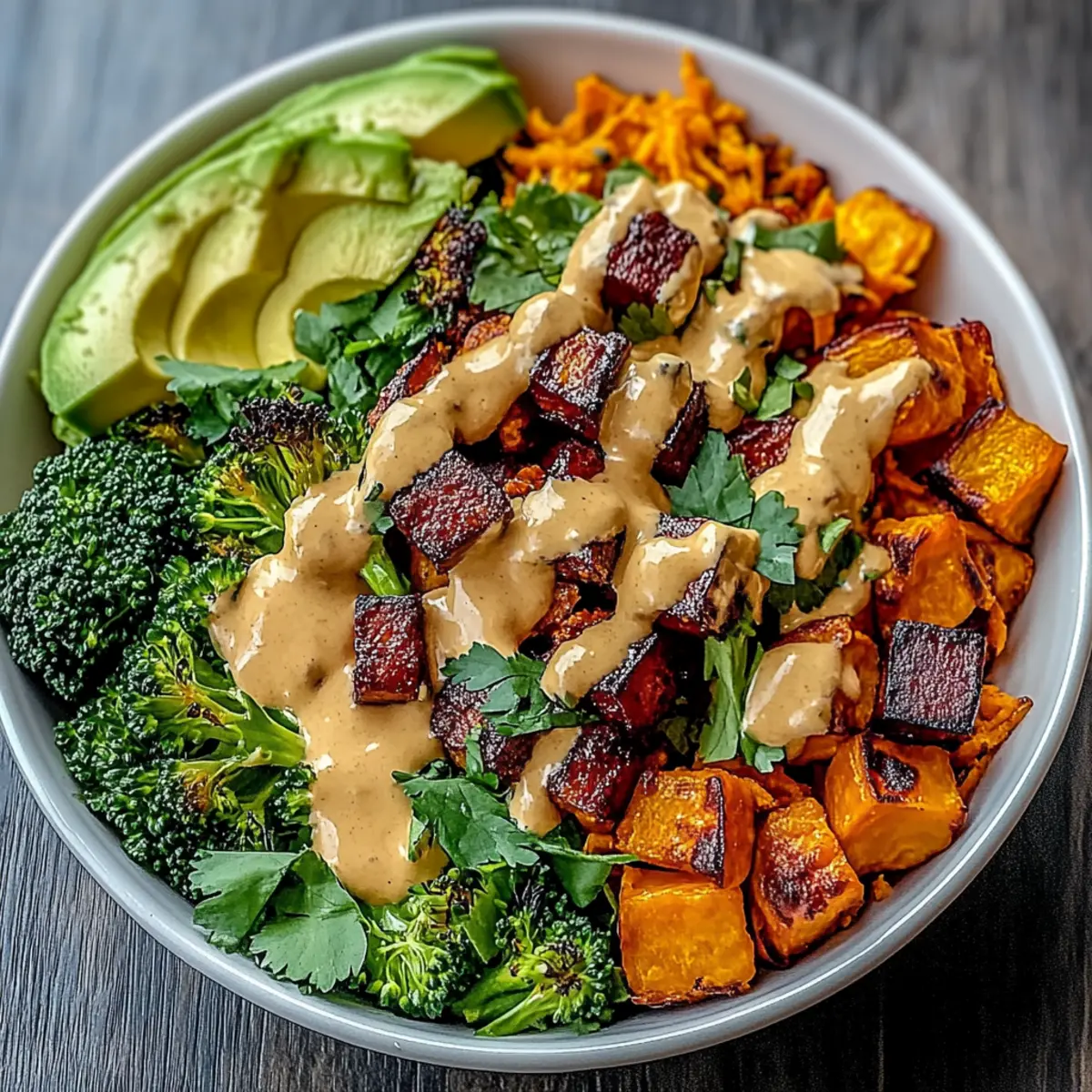
What to Serve with Thai Peanut Sweet Potato Buddha Bowl
Elevate your meal experience with delightful sides and refreshing drinks that complement the colorful flavors of your Buddha bowl.
- Coconut Rice: The creamy texture of coconut rice enhances the nutty flavors of the peanut sauce, creating a truly tropical meal.
- Quinoa Salad: A protein-packed option that adds a nutty crunch, this salad brings additional textures and nutrients to your meal.
- Fresh Spring Rolls: Light and refreshing, these rice paper rolls filled with crisp veggies offer a delightful contrast to the creamy Buddha bowl.
- Chilled Cucumber Soup: This cool soup provides a refreshing splash of flavor, perfect for balancing the warm spices from the peanut sauce.
- Lime-Infused Sparkling Water: Effervescent and citrusy, this drink cleanses the palate while adding a zesty note that pairs wonderfully with the bowl.
- Mango Sorbet: A light, fruity dessert that beautifully encapsulates the sweet and savory elements of your meal, leaving you refreshed and satisfied.
Consider incorporating some of these delicious options for an unforgettable dining experience!
How to Store and Freeze Thai Peanut Sweet Potato Buddha Bowl
- Airtight Containers: Store individual components like roasted sweet potatoes, veggies, and peanut sauce in separate airtight containers. Consume within 3 days for the best freshness and flavor.
- Freezing Veggies: Roasted sweet potatoes and vegetables can be frozen separately for up to 3 months. Thaw in the fridge overnight before reassembling your Buddha bowl for a quick meal.
- Peanut Sauce Storage: Keep the peanut sauce in a sealed container in the fridge for up to 1 week. This allows you to enjoy the delicious flavors for several meals!
- Reheating Instructions: Reheat sweet potatoes and veggies in the oven or microwave before serving. Drizzle with fresh peanut sauce just before enjoying your Thai Peanut Sweet Potato Buddha Bowl for the best taste experience.
Make Ahead Options
These Thai Peanut Sweet Potato Buddha Bowls are fantastic for meal prep! You can roast the sweet potatoes and prepare the peanut sauce up to 24 hours in advance. To do this, simply dice and roast your sweet potatoes until crispy, then allow them to cool completely before storing them in an airtight container in the refrigerator. The peanut sauce can also be made ahead; just keep it in a sealed jar in the fridge to maintain its rich flavor. When you’re ready to serve, assemble the bowl by layering the mixed veggies, reheating the sweet potatoes if desired, and drizzling the sauce over the top for a quick, delicious meal that’s just as nourishing and satisfying as when freshly made!
Thai Peanut Sweet Potato Buddha Bowl Variations
Feel free to personalize this delicious Buddha bowl to suit your taste and dietary needs with these fun and versatile swaps!
-
Protein Boost: Add chickpeas or grilled tofu for extra protein and a heartier meal. These options will enhance the texture while adding nutritious elements!
-
Nut-Free Option: Swap peanut butter for sunflower seed butter for a delightful nut-free alternative, making the dish accessible for everyone.
-
Spicy Kick: Incorporate red pepper flakes or a splash of sriracha in the peanut sauce for an added layer of heat. A little spice can elevate your experience and awaken the taste buds!
-
Greens Galore: Replace broccoli with nutrient-packed kale or lively spinach to brighten the bowl. Not only do these greens offer an appealing color, but they also provide a fresh flavor profile.
-
Crispy Crunch: Add toasted cashews or almonds as a topping for that extra crunch. The nutty flavor will harmonize beautifully with the creamy peanut sauce.
-
Sweet Twist: Substitute maple syrup with agave syrup for a different sweet edge in your sauce. It’s a slight change that can subtly shift the flavor profile.
-
Flavorful Oils: For a fragrant touch, use coconut oil instead of olive oil when roasting the sweet potatoes. This will introduce a delightful coconut undertone to your bowl.
-
Veggie Variety: Feel free to swap in other vegetables like bell peppers or snap peas for added color and flavor. They’re not only beautiful but also packed with vitamins!
These variations will keep your Thai Peanut Sweet Potato Buddha Bowl exciting every time! Looking for more ways to enjoy sweet potatoes? Try our Cheesy Sweet Potato recipe for a creamy delight or the Sausage Sweet Potatoes for a heartier option!
Expert Tips for Thai Peanut Sweet Potato Buddha Bowl
- Uniform Cutting: Cut sweet potatoes into equal pieces to ensure even roasting. This helps achieve that perfect crispy texture for your Thai Peanut Sweet Potato Buddha Bowl.
- Sauce Storage: If meal prepping, store the peanut sauce separately to prevent veggies from getting soggy. Keep it fresh for an optimal serving.
- Single Layer Roasting: Spread sweet potatoes out in a single layer on the baking sheet. This allows for better air circulation and results in crispier pieces.
- Adjust to Taste: Feel free to adjust seasoning and sauce ingredients based on personal preferences. If you have nut allergies, substitute peanut butter with sunflower seed butter for your Thai Peanut Sweet Potato Buddha Bowl.
- Boost Protein: Consider adding a plant-based protein to your bowl, such as chickpeas or grilled tofu, for an extra nutritional punch while keeping it wholesome.
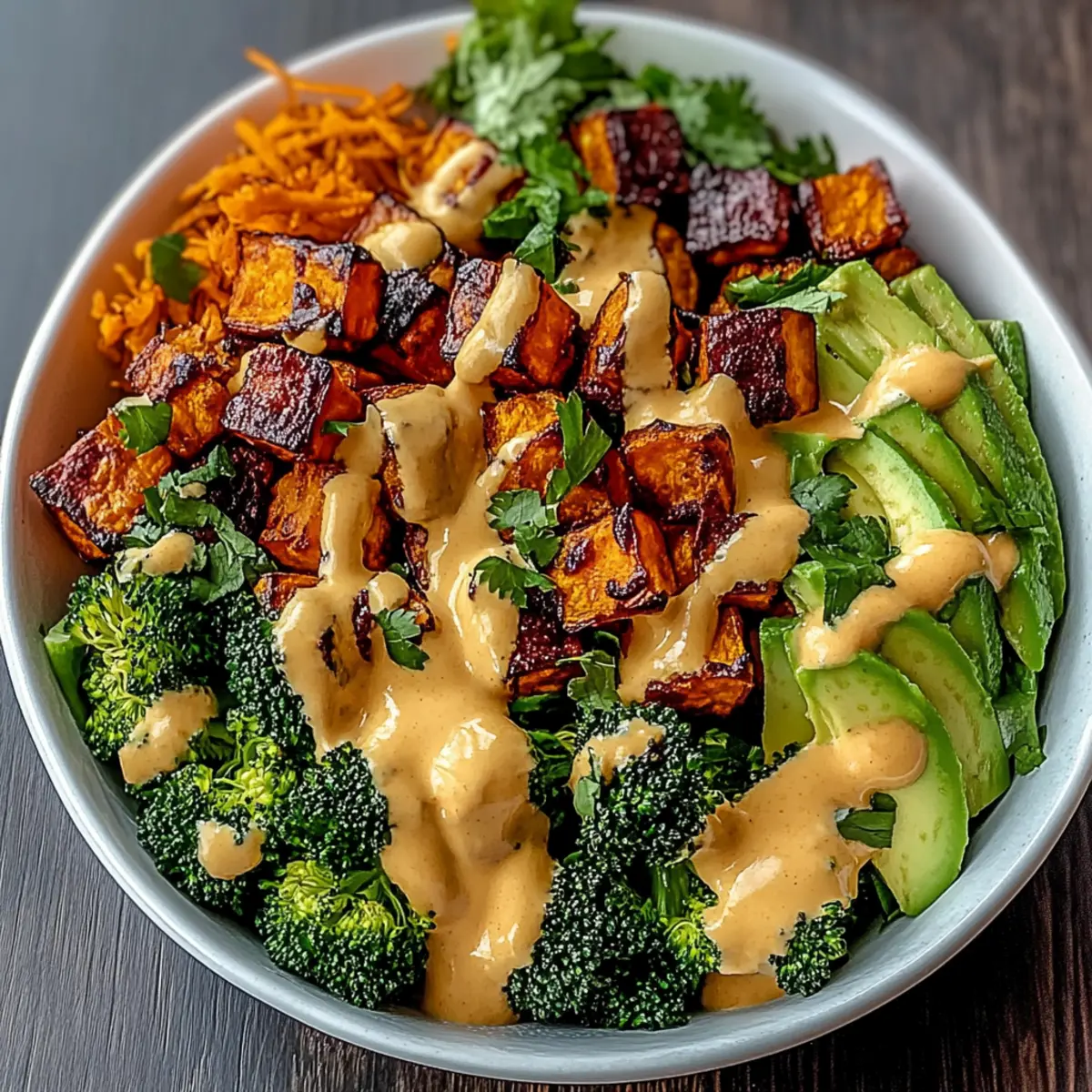
Thai Peanut Sweet Potato Buddha Bowl Recipe FAQs
What is the best way to select ripe sweet potatoes?
Absolutely! When choosing sweet potatoes, look for ones that are firm with smooth skin and no dark spots or wrinkles. The ideal sweet potato will feel heavy for its size and have a deep orange color. If you find any soft spots or signs of sprouting, those should be avoided as they indicate over-ripeness.
How should I store leftovers of the Thai Peanut Sweet Potato Buddha Bowl?
For the best results, store individual components separately in airtight containers in the fridge. This method keeps your veggies fresh and prevents sogginess. Consume within 3 to 4 days for optimal flavor and texture. If you want to keep things visually appealing, layer the assembled bowl just before serving.
Can I freeze the ingredients in the Buddha bowl?
Yes, you can! Roasted sweet potatoes and veggies freeze well for up to 3 months. Make sure to let them cool completely before transferring to freezer-safe bags or containers. When you’re ready to enjoy them again, simply thaw in the fridge overnight. Reheat in the oven or microwave before assembling your bowl, and don’t forget to drizzle on fresh peanut sauce!
What if I have a peanut allergy—are there alternatives?
Very! If you’re allergic to peanuts, you can easily substitute peanut butter with sunflower seed butter for a nut-free option. Ensure that you check labels on other ingredients like soy sauce to avoid cross-contamination. This way, you can still enjoy a tasty Thai Peanut Sweet Potato Buddha Bowl without any worries.
What can I do if my sweet potatoes are not crisp after roasting?
It can be disappointing when that crispy texture is the goal! To troubleshoot, ensure that you cut the sweet potatoes into uniform pieces for even cooking. Spread them out in a single layer on your baking sheet to avoid steaming. If they still lack crispness, consider roasting them a bit longer or turning on the broiler for the last few minutes—just keep an eye on them to avoid burning!
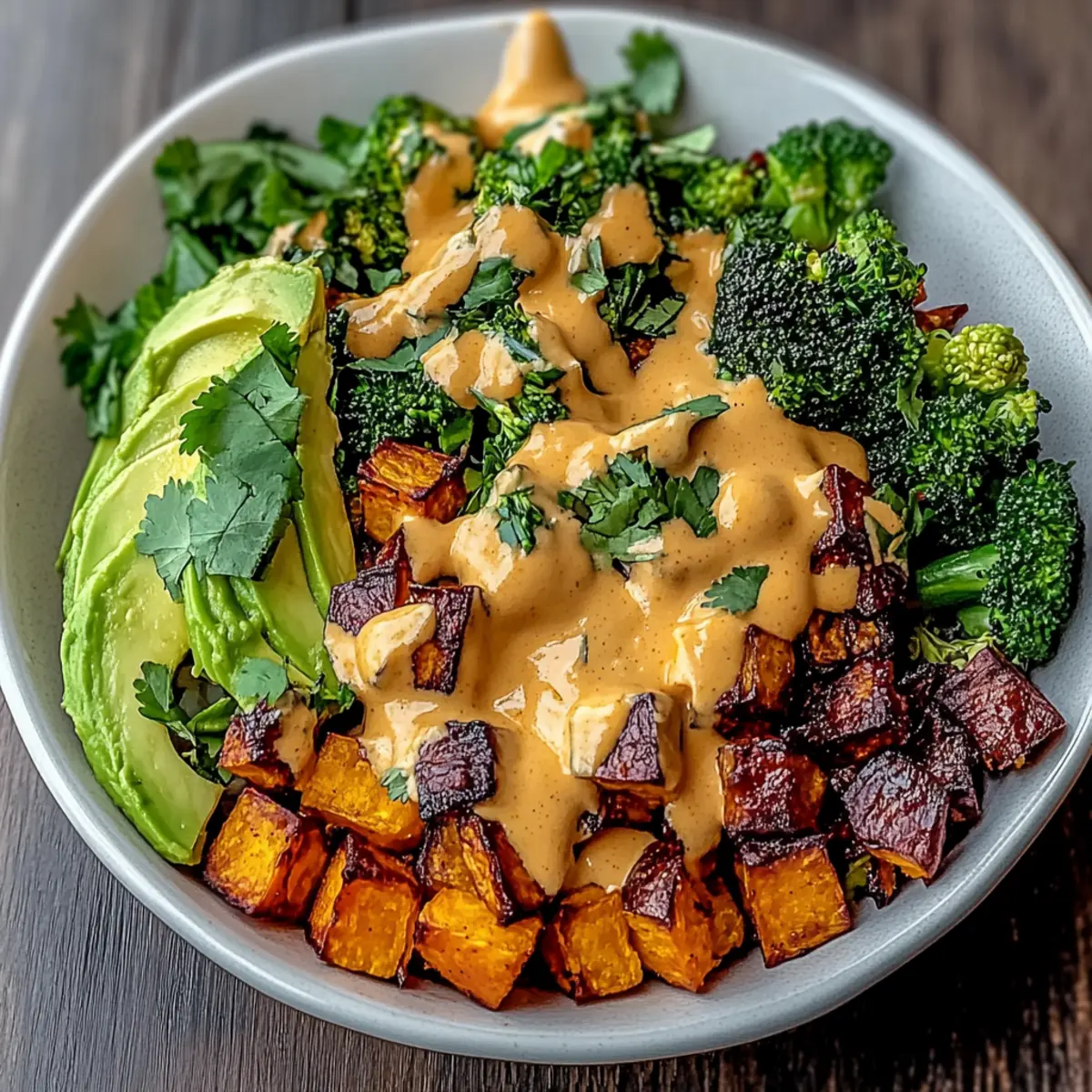
Thai Peanut Sweet Potato Buddha Bowl - Your Vibrant Meal Solution
Ingredients
Equipment
Method
- Preheat your oven to 400°F (200°C).
- In a small mixing bowl, whisk together peanut butter, soy sauce, maple syrup, lime juice, and sesame oil. Set aside.
- Peel and dice sweet potatoes. Toss with olive oil, salt, and pepper, then spread on a baking sheet and roast for 25-30 minutes.
- In a large bowl, mix broccoli, cabbage, carrots, and avocado.
- Assemble the bowl with mixed veggies at the bottom and roasted sweet potatoes on top.
- Drizzle peanut sauce over the assembled bowl.
- Garnish with cilantro and crushed peanuts. Serve immediately.
Leave a Reply