
As I strolled through the vibrant streets of Tokyo, the warm, sweet aroma wafting from a corner bakery caught my attention. That’s where I first tasted Melon Pan—a delightful Japanese sweet bread that effortlessly balances a soft, pillowy interior with a satisfying cookie-like crust. This delicious treat is not only a crowd-pleaser but also incredibly simple to prepare at home, making it ideal for anyone ready to elevate their baking game. With just a handful of ingredients and minimal fuss, you’ll soon be savoring these charming buns fresh out of the oven. So, why not indulge in the comforting flavors of Melon Pan and surprise your loved ones with a taste of Japan? What’s your favorite way to enjoy these delightful buns?

Why Is Melon Pan So Irresistible?
Delightful Flavor: The sweet, buttery crust combined with the soft, fluffy interior makes every bite a joy to savor.
Effortlessly Made: With just a few common ingredients, you’ll have your baking essentials covered.
Perfect for Any Occasion: Whether it’s breakfast, dessert, or a snack, Melon Pan fits seamlessly into your day.
Cultural Treat: Enjoy a piece of Japan right in your kitchen, evoking memories of bustling tokyo street markets.
Crowd Favorite: Your family and friends will be asking for seconds (or thirds) once they try these delightful treats! Why not serve them warm with a cup of tea, just like in Japan? For a sweet breakfast alternative, you could also explore Blueberry Buttermilk Pancake.
Melon Pan Ingredients
• Ready to create these delightful Japanese buns? Here’s what you’ll need:
For the Dough
- Bread Flour – Provides structure and chewiness; substitute with all-purpose flour for a softer texture.
- Sugar – Adds sweetness and promotes browning; reduce quantity for a less sweet version.
- Yeast – Acts as a leavening agent for lightness; ensure it’s fresh for best results.
- Milk – Contributes moisture and richness; replace with almond milk for a dairy-free option.
- Butter – Adds flavor and fluffiness; use margarine for a dairy-free alternative.
- Eggs – Binds ingredients and enriches the dough; substitute with flaxseed meal for a vegan alternative.
- Vanilla Extract – Enhances overall flavor; use almond extract for a different flavor profile.
For the Topping
- Powdered Sugar – Adds sweetness to the cookie topping; use coconut or almond flour for a sugar-free version.
- Butter – Essential for the topping’s rich flavor; making a softer topping looks great and tastes amazing.
With these ingredients in hand, you’re all set to make delightful Melon Pan, a charming treat sure to bring smiles!
Step‑by‑Step Instructions for Melon Pan
Step 1: Prepare Dough
In a mixing bowl, combine yeast with warm milk and sugar, stirring gently. Let it sit for about 10 minutes or until the mixture becomes frothy, a sure sign that the yeast is activated. This step is crucial for the light and fluffy texture of your Melon Pan.
Step 2: Mix Ingredients
Once the yeast mixture is ready, add in the bread flour, eggs, melted butter, and vanilla extract. Using a spatula or your hands, mix until a soft dough forms, ensuring all ingredients are well incorporated. The dough should be slightly sticky but manageable, setting the stage for your sweet bread.
Step 3: Knead the Dough
Transfer the dough onto a floured surface and knead for about 10 minutes until it becomes smooth and elastic. You can press, fold, and stretch the dough, which will develop the gluten, giving your Melon Pan that delightful chewy texture. Form it into a ball once kneaded.
Step 4: First Rise
Place the kneaded dough into a greased bowl, cover it with a clean kitchen towel or plastic wrap, and allow it to rise in a warm spot for about 1 hour. You’ll know it’s ready when the dough has doubled in size, filled with air pockets and ready for transformation.
Step 5: Shape Buns
After the first rise, gently punch down the dough to release the air. Divide it into equal portions, shaping each piece into a ball. This step is important to ensure that all your buns are uniform in size, giving you perfectly baked Melon Pan that looks appealing.
Step 6: Make Topping
In a separate bowl, combine the flour, sugar, and softened butter to form a dough for the topping. Mix until well combined, forming a smooth, pliable dough. Flatten each portion slightly and wrap it around the shaped buns, creating that signature top crust that characterizes Melon Pan.
Step 7: Second Rise
Once your buns are shaped and coated, place them on a baking tray lined with parchment paper. Cover them loosely and let them rise for another 30 minutes. During this time, the buns will puff up, enhancing their soft texture which you will love in your fresh-baked Melon Pan.
Step 8: Bake
Preheat your oven to 180°C (350°F) while the buns are rising. Once they have completed their second rise, bake them in the preheated oven for 15-20 minutes. Keep an eye on them; you’ll know they’re ready when they turn a golden brown and emit a sweet aroma that fills your kitchen.
Step 9: Cool and Serve
After baking, allow your Melon Pan to cool on a wire rack for a few minutes. This cooling process helps maintain the texture and prevents sogginess. Once they’re slightly warm, they’re perfect for serving—enjoy them with a lovely cup of tea or your favorite beverage!
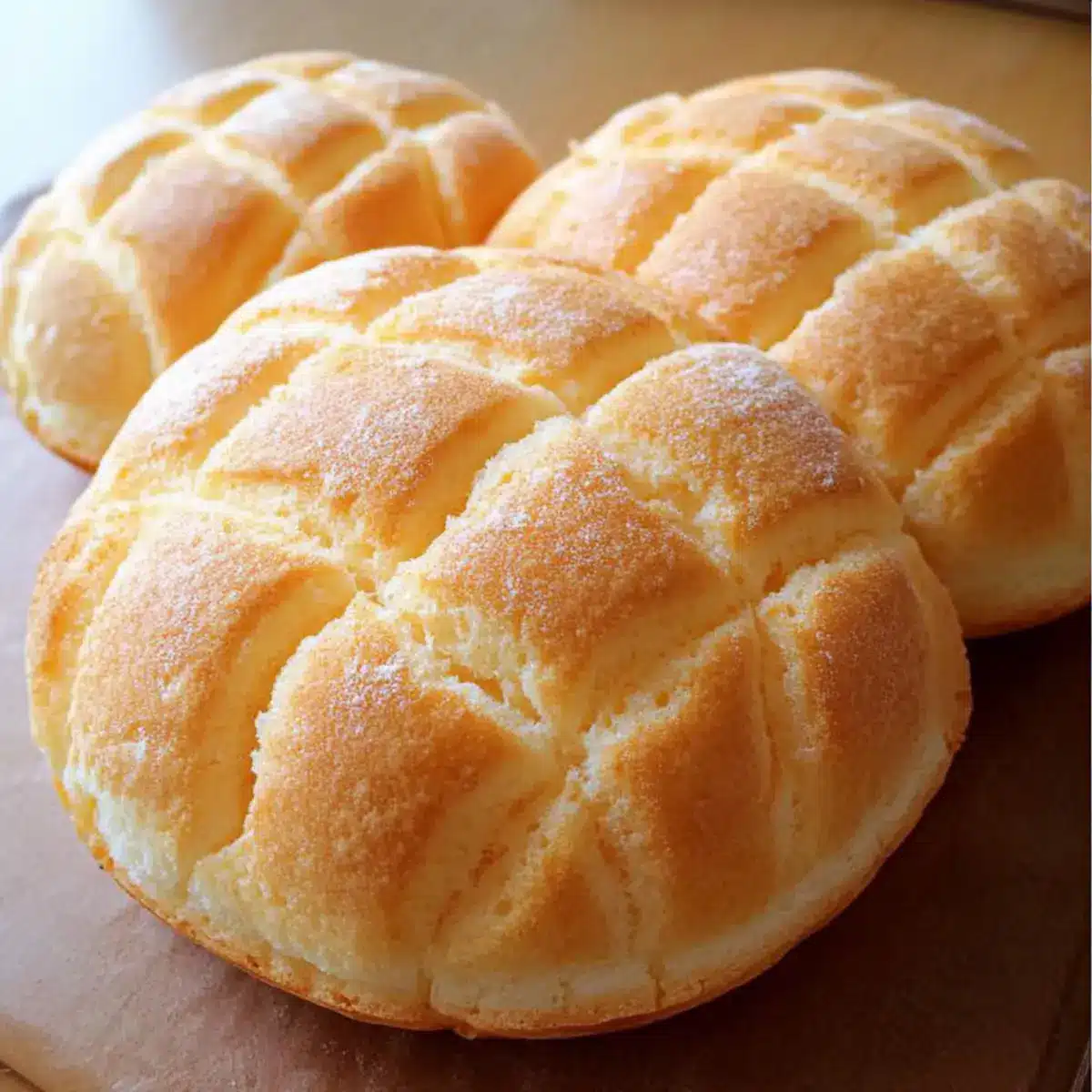
Expert Tips for Melon Pan
-
Use Fresh Yeast: Ensure your yeast is fresh for optimal rising. Expired yeast can lead to dense buns that are less enjoyable.
-
Room Temperature Ingredients: Allow all ingredients to reach room temperature before mixing. This promotes a more even dough consistency and better rise.
-
Avoid Over-Kneading: Knead until just smooth and elastic. Over-kneading can make the dough tough, affecting the classic soft texture of Melon Pan.
-
Watch the Second Rise: Give the shaped buns enough time to rise but avoid over-proofing. This will ensure a light, airy interior without collapsing during baking.
-
Check Doneness Carefully: Tap the bottom of the buns; a hollow sound indicates they’re done. This simple check prevents underbaking and guarantees delicious Melon Pan.
Melon Pan Variations & Substitutions
Feel free to take this delightful recipe in new directions and customize it to your taste!
-
Dairy-Free: Replace milk with almond milk and use margarine instead of butter for a delicious dairy-free option.
For those who prefer plant-based baking, this swap keeps the Melon Pan soft and flavorful without any dairy. -
Vegan: Substitute eggs with flaxseed meal mixed with water, and use plant-based butter.
With these tweaks, everyone can enjoy these sweet, fluffy buns. The texture remains delightful, ensuring you won’t miss the eggs! -
Sweetness Level: Reduce sugar in the dough and topping for a less sweet version.
Sometimes less is more! Adjusting the sugar allows you to appreciate the bread’s natural sweetness even more while still enjoying a lovely treat. -
Add Matcha: Mix 1-2 tablespoons of matcha powder into the dough for a beautiful green color and unique flavor.
This twist not only adds an earthy taste but also brings an exciting visual flair! -
Chocolate Lovers: Toss in 1 cup of chocolate chips into the dough for a decadent twist.
The melty chocolate will create pockets of sweet goodness in every bite—perfect for chocoholics! -
Flavorful Extracts: Swap vanilla for almond or coconut extract to bring a new twist to the flavor profile.
These variations will keep your taste buds guessing and add a lovely aroma while baking! -
Spicy Touch: Add a pinch of cayenne or chili powder to the dough for a subtle heat that balances the sweetness.
This unexpected kick adds a delightful contrast that adventurous eaters will appreciate! -
Toppings Galore: Experiment with different toppings, such as crushed nuts or a drizzle of caramel, to elevate your Melon Pan to the next level.
These additional textures and flavors create an exciting experience for your palate.
Discover more delicious recipes to please your family, like the comforting Pancakes Friendly Mornings or try serving your Melon Pan alongside a light dish like Spiced Salmon with Potatoes and Corn for a well-rounded meal!
What to Serve with Melon Pan
Imagine enjoying these delightful sweet buns fresh from the oven, their aroma filling your home, leaving everyone wanting more.
- Fresh Fruits: A colorful fruit salad brings a refreshing contrast to the sweet richness of Melon Pan, enhancing its delightful flavors.
- Green Tea: The earthy notes of green tea beautifully complement the sweetness of the buns, providing a harmonious balance of tastes.
- Whipped Cream: A dollop of lightly sweetened whipped cream adds a luxurious texture that elevates the experience of enjoying Melon Pan.
- Azuki Bean Paste: This traditional Japanese treat brings a subtle sweetness and a hint of earthy flavor, perfect for those who love authentic pairings.
- Matcha Latte: The creamy, slightly bitter notes of matcha perfectly offset the sweetness of Melon Pan, making each bite a shared moment of bliss.
- Ice Cream: A scoop of vanilla or matcha-flavored ice cream offers a rich, creamy contrast, turning simple Melon Pan into an unforgettable dessert experience.
- Chocolate Drizzle: A light drizzle of chocolate sauce adds an indulgent twist, enhancing the flavors without overwhelming the delicate sweetness of the bread.
- Dairy-Free Milk: Almond or coconut milk provides a dairy-free drink option, perfect for those following plant-based diets while enjoying Melon Pan.
- Yogurt Parfait: Layering yogurt with granola and fruit creates a delightful treat that pairs perfectly with the sweet, pillowy buns for breakfast.
Make Ahead Options
Making Melon Pan ahead of time is a fantastic way to simplify your busy weeknight dinners! You can prepare the dough up to 24 hours in advance by following the instructions through the first rise and then refrigerating it. Just be sure to cover the bowl tightly to prevent drying out. When you’re ready to bake, take the dough out, let it come to room temperature for about 30 minutes, shape the buns, and proceed with the second rise. Additionally, the cookie topping can be made and stored separately at room temperature for up to 3 days. This way, you’ll have delicious homemade Melon Pan ready to bake with minimal effort, and they’ll come out just as delightful—perfectly crispy on the outside and soft on the inside!
How to Store and Freeze Melon Pan
Room Temperature: Keep freshly baked Melon Pan in an airtight container at room temperature for up to 3 days to maintain their delightful softness.
Fridge: It’s best not to refrigerate Melon Pan, as this can dry out the texture. Stick with room temperature or freezing for optimal flavor.
Freezer: For longer storage, wrap each Melon Pan tightly in plastic wrap, then place in a freezer-safe bag. They can be frozen for up to 2 months without losing quality.
Reheating: To enjoy frozen Melon Pan, let them thaw at room temperature for a few hours, then warm them in an oven at 180°C (350°F) for about 5-7 minutes for that freshly baked taste.
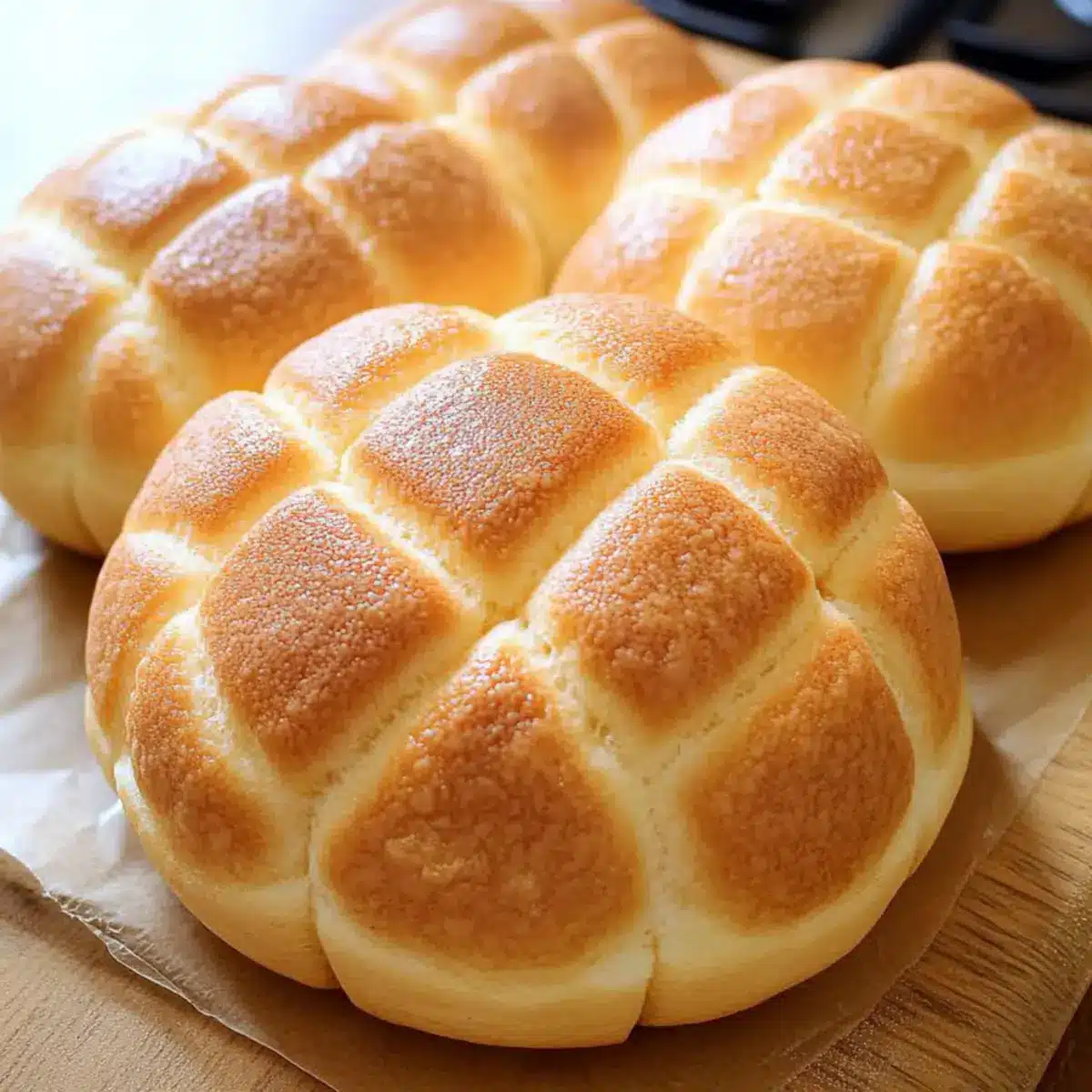
Melon Pan Recipe FAQs
What type of yeast should I use for Melon Pan?
You should use active dry yeast or instant yeast for Melon Pan. Ensure that the yeast is fresh, as expired yeast can lead to dense and heavy buns. If you’re using active dry yeast, dissolve it in warm milk with a bit of sugar to activate it before adding to your dough.
How do I know if my Melon Pan is properly baked?
To check for doneness, tap the bottom of the buns lightly. If they sound hollow, they’re ready. Additionally, the tops should be golden brown, and the sweet aroma will fill your kitchen. Keeping an eye on them in the oven as they bake is key to achieving that perfect texture!
Can I freeze Melon Pan, and if so, how?
Absolutely! To freeze your Melon Pan, first allow them to cool completely. Wrap each bun tightly in plastic wrap to prevent freezer burn, then place them in a freezer-safe bag. They can be frozen for up to 2 months. When you’re ready to enjoy them, simply thaw at room temperature for a few hours and reheat in the oven at 180°C (350°F) for about 5-7 minutes.
How should I store Melon Pan for the best flavor and texture?
Store your Melon Pan in an airtight container at room temperature for up to 3 days. It’s best not to refrigerate them, as this can dry out the texture. If you want to keep them longer, freezing is the way to go, ensuring they maintain their delightful softness and flavor.
Can I use substitutes for any ingredients in Melon Pan?
Yes! You can replace milk with almond milk for a dairy-free option, and use flaxseed meal as an egg substitute for vegan Melon Pan. If you don’t have bread flour on hand, all-purpose flour works too, although it may result in a slightly softer texture. Embrace these substitutions to cater to your dietary needs while keeping the essence of Melon Pan intact.
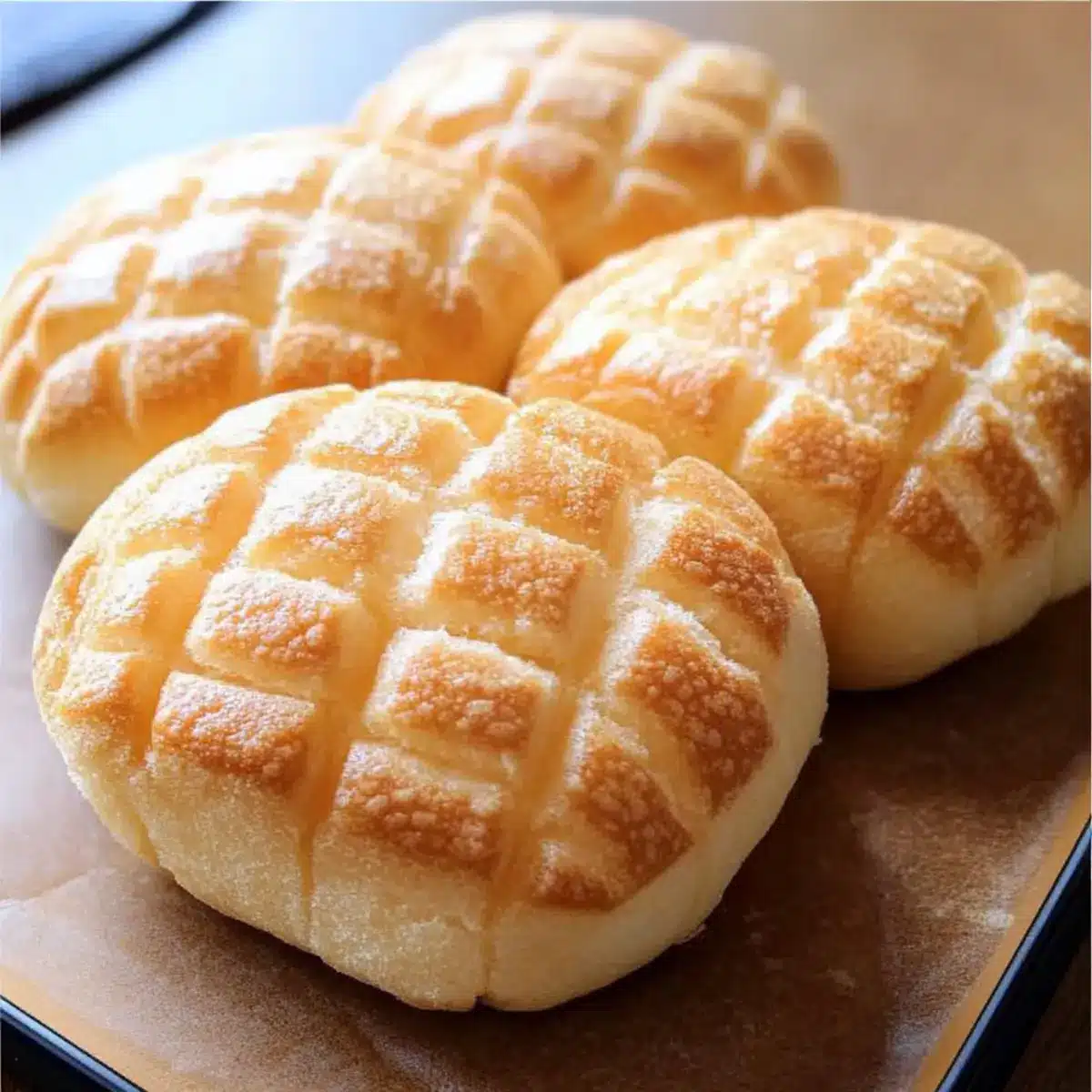
Melon Pan: Irresistibly Soft Japanese Sweet Bread You'll Love
Ingredients
Equipment
Method
- In a mixing bowl, combine yeast with warm milk and sugar, stirring gently. Let it sit for about 10 minutes or until frothy.
- Once the yeast mixture is ready, add in the bread flour, eggs, melted butter, and vanilla extract. Mix until a soft dough forms.
- Transfer the dough onto a floured surface and knead for about 10 minutes until smooth and elastic.
- Place the kneaded dough into a greased bowl, cover and let it rise in a warm spot for about 1 hour.
- After the first rise, punch down the dough, divide into equal portions, and shape into balls.
- In a separate bowl, combine the topping ingredients to form a dough. Flatten each portion and wrap it around the shaped buns.
- Place shaped buns on a baking tray lined with parchment and let rise for another 30 minutes.
- Preheat oven to 180°C (350°F). Bake the buns for 15-20 minutes until golden brown.
- Allow the Melon Pan to cool on a wire rack for a few minutes before serving.
Leave a Reply