
As I pulled the warm loaf from the oven, a wave of nostalgia washed over me, transporting me to a quaint bakery in Tokyo where the smell of freshly baked Shokupan filled the air. This Japanese Milk Bread Loaf, made using the Yudane method, is not just bread; it’s a culinary masterpiece that wraps you in its soft embrace and stays deliciously moist even days later. What makes this recipe truly irresistible is its simplicity—perfect for both novice and seasoned bakers—and its versatility that allows it to shine as a toast, a sandwich, or even a delightful snack. If you’ve ever wanted to elevate your baking skills or simply treat your taste buds, this fluffy loaf is your answer. Are you ready to explore the wonders of Japanese baking with me?
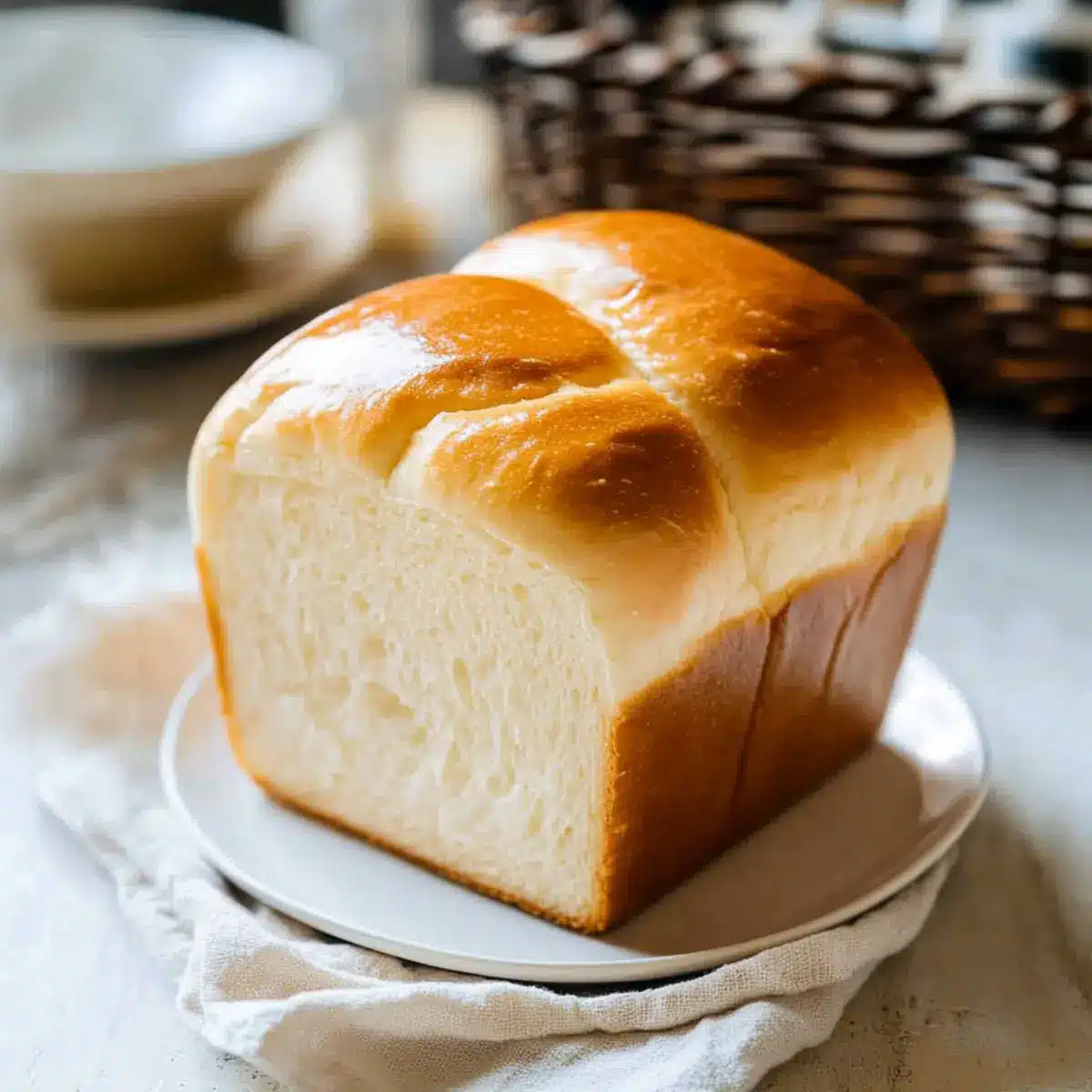
Why is Shokupan So Special?
Unmatched Softness: This Japanese Milk Bread Loaf features a delicate, cloud-like texture that melts in your mouth, making it perfect for breakfast or snacks.
Yudane Method Magic: The unique Yudane preparation creates a moist, fluffy loaf that stays fresh longer, setting it apart from regular bread.
Versatile Delight: Enjoy it simply buttered, as a sandwich, or try it with sweet toppings. You can even make sumptuous French toast! Don’t forget to check out our recipe for Blueberry Buttermilk Pancake to add a flavorful twist to your mornings.
Ease of Preparation: With just a few simple steps, both beginners and seasoned bakers will find this recipe approachable and fulfilling.
Healthier Option: Low in fat and high in carbohydrates, this bread can be made with plant-based milk for a delicious, guilt-free treat. Substitute with almond or coconut milk for extra flavor!
Cultural Connection: Shokupan is more than just bread; it represents the blending of Japanese and Western baking traditions, creating a unique culinary experience you can bring into your own home.
Japanese Milk Bread Loaf Ingredients
For the Yudane
• Bread flour – 50 g; this forms the base for the Yudane, ensuring your loaf’s moisture-rich texture.
• Boiling water – 40 ml (above 194°F/90°C); aids in gelatinizing the starches for a tender bread.
For the Dough
• Milk – 150 ml (room temperature); enriches the loaf’s flavor—plant-based milk works wonderfully too!
• Sugar – 15 g; adds sweetness and nourishes the yeast for a perfect rise.
• Dry instant yeast – 3 g; this is what helps your dough rise beautifully. Fresh yeast can be swapped in if necessary.
• Unsalted butter – 10 g (room temperature); deepens flavor and improves texture. Oil can be a substitute if needed.
• Bread flour – 200 g; provides elasticity for that fluffy bread structure. Consider using all-purpose flour for a different result.
• Salt – 5 g; harmonizes flavors and strengthens gluten without substitutions.
Embrace the art of baking with this Japanese Milk Bread Loaf, and enjoy its exquisite softness and versatility!
Step‑by‑Step Instructions for Fluffy Japanese Milk Bread Loaf
Step 1: Prepare the Yudane
In a medium bowl, combine 50 g of bread flour with 40 ml of boiling water, stirring until a smooth mixture forms. Cover the bowl tightly with plastic wrap and let it sit at room temperature overnight. This Yudane method enhances the moisture and texture of your Japanese Milk Bread Loaf, setting the foundation for maximum fluffiness.
Step 2: Mix the Dough
The next day, in a large mixing bowl, combine 150 ml of room temperature milk, 15 g of sugar, 10 g of softened unsalted butter, and 3 g of dry instant yeast. Add the prepared Yudane mixture to this bowl, bringing all the ingredients together. This step enriches the dough, ensuring a delightful softness right from the start.
Step 3: Add Flour and Salt
Carefully add 200 g of bread flour and 5 g of salt to your yeast mixture, mixing gently with a spatula until no dry flour remains. As you combine, you’ll notice a sticky dough beginning to form. This dough is integral for your Japanese Milk Bread Loaf’s final texture, so ensure it’s well mixed before moving on to kneading.
Step 4: Knead the Dough
Attach a kneading hook to your mixer and set it to low speed, mixing for about 2 minutes. Gradually increase to speed 5-6 and continue kneading for approximately 20 minutes until the dough becomes smooth and elastic, easily pulling away from the sides of the bowl. This kneading process develops the gluten structure essential for fluffy bread.
Step 5: First Rise
Transfer the dough into a greased bowl, covering it with cling wrap to retain moisture. Place the bowl in a warm area (ideally around 86°F/30°C) and allow the dough to rise for 45 minutes to 1 hour, or until it has doubled in size. You’ll know it’s ready when it’s visibly puffed up and springy to the touch.
Step 6: Shape the Dough
Once risen, gently punch down the dough to release excess air, then divide it into two equal pieces. Allow the pieces to rest, covered with a kitchen towel, for about 20 minutes. This resting phase relaxes the gluten, making it easier to roll out, which is crucial for achieving the perfect shape for your Japanese Milk Bread Loaf.
Step 7: Second Rise
Roll each piece of dough into a rectangle, then fold the sides toward the center and roll from one end to create a tight cylinder. Place the shaped dough into a lightly greased loaf pan and cover with a cloth. Let it rise again for about 30 minutes, until the dough is level with the top of the pan. This step is essential for the final rise before baking.
Step 8: Bake the Loaf
Preheat your oven to 365°F (185°C) and carefully place the loaf pan inside. Bake for 25-30 minutes, or until the top turns a beautiful golden brown and the loaf sounds hollow when tapped. This will create that perfect crust for your Japanese Milk Bread Loaf, while the interior remains fluffy and light.
Step 9: Cool and Slice
After baking, remove the loaf from the pan and set it on a wire rack to cool completely. For the best texture and ease of slicing, wait until the bread has completely cooled, ideally overnight. This patience pays off, giving you clean, perfect slices ready for any delicious topping or dish you desire.
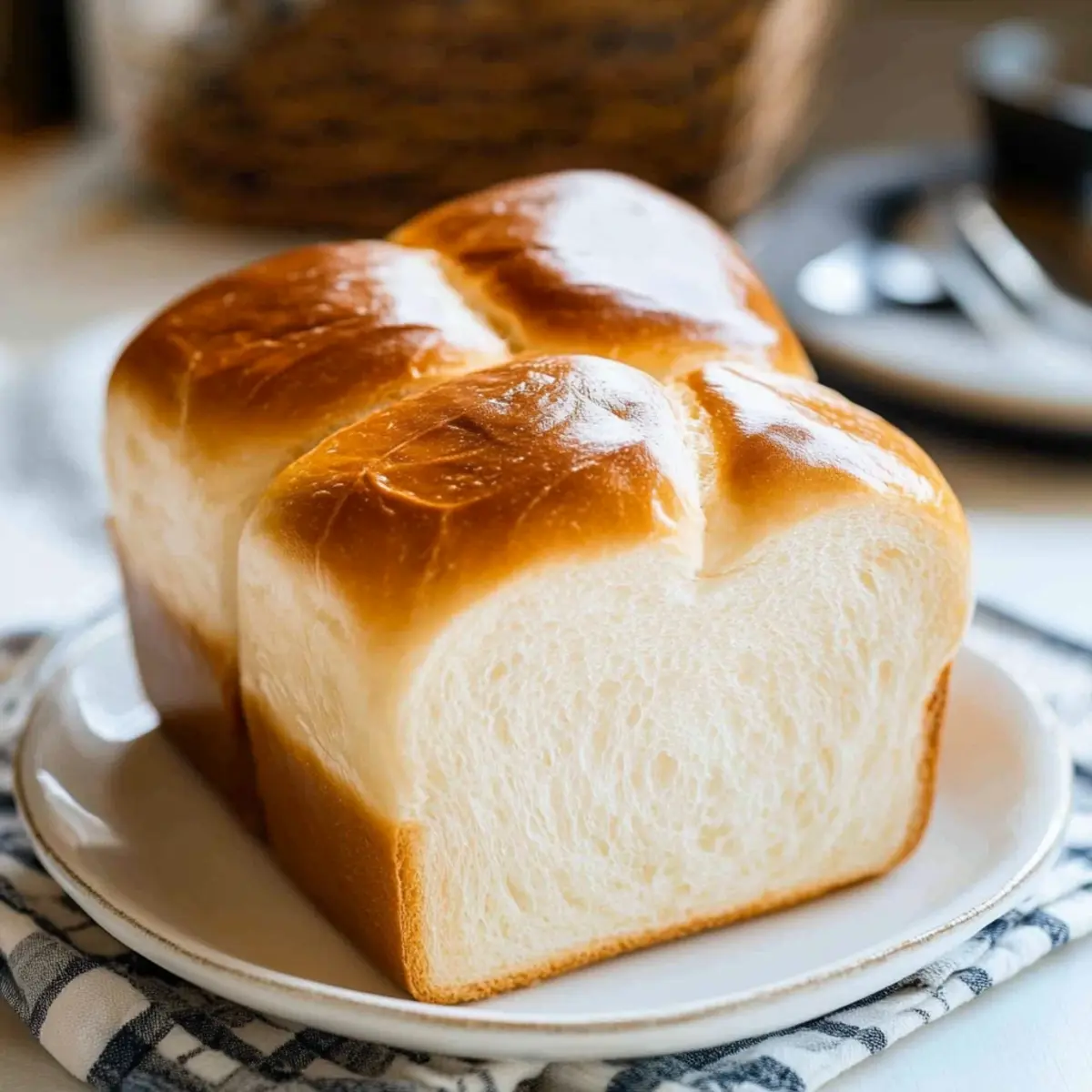
What to Serve with Fluffy Japanese Milk Bread Loaf
There’s something magical about creating a complete meal around this soft, pillowy bread that beckons to be paired with delightful accompaniments.
-
Creamy Avocado Toast: Spread mashed avocado atop slices for a fresh, creamy contrast, enhancing the bread’s delicate sweetness.
-
Savory Egg Salad: A flavorful egg salad stuffed in a thick slice makes for a delightful brunch option. The Shokupan’s softness complements the creamy filling perfectly.
-
Sweet Strawberry Jam: Slather on some vibrant strawberry jam for a delightful sweetness that plays well against the bread’s mild flavor.
-
Buttery Garlic Mushrooms: Serve sautéed garlic mushrooms on the side to add a rich umami flavor that pairs nicely with the fluffy texture.
-
Homemade French Toast: Transform leftover slices into French toast by soaking them in an egg mixture—it’s a delicious, comforting option perfect for brunch.
-
Hearty Vegetable Soup: A warm bowl of vegetable soup provides a cozy touch to your meal. Break off pieces of Shokupan for the ultimate experience!
-
Iced Matcha Latte: Sip on a refreshing iced matcha latte that adds an Asian flair to your brunch; the smooth flavors balance perfectly with your Shokupan.
-
Rich Chocolate Pudding: For dessert, indulge in a silky chocolate pudding. The contrast between the airy bread and creamy dessert is simply heavenly.
Make Ahead Options
These Fluffy Japanese Milk Bread Loaf are perfect for busy home cooks looking to save time! You can prepare the Yudane up to 24 hours in advance by mixing 50 g of bread flour with 40 ml of boiling water, covering it tightly, and refrigerating it overnight. Additionally, you can mix the dough and complete the first rise, leaving it in the refrigerator for up to 3 days before shaping. This method helps maintain that glorious moist texture. When you’re ready to enjoy, simply shape the dough and proceed with the second rise and baking. Your freshly baked bread will be just as delicious, giving you all the fluffy goodness with minimal effort!
Expert Tips for Japanese Milk Bread Loaf
-
Ingredient Precision: Make sure to weigh your flour accurately for the best results. Spoon it into the measuring cup and level it off—this prevents a dense loaf.
-
Yudane Handling: Allow the Yudane to cool completely after preparation; it should be at room temperature when added to the dough to ensure proper hydration and moisture retention in your Japanese Milk Bread Loaf.
-
Kneading Technique: Use a mixer for kneading the dough since it can be quite sticky. This ensures effective gluten development for that airy texture we adore in Shokupan.
-
Patience Pays Off: Resist the temptation to slice the loaf right after cooling; waiting until the next day allows flavors to develop and enhances the texture for cleaner slices.
-
Dough Rises Matter: Keep an eye on your dough during the rising phases; don’t rush them! A well-risen dough translates to a light and fluffy Japanese Milk Bread Loaf.
Storage Tips for Japanese Milk Bread Loaf
Room Temperature: Store the loaf wrapped in plastic or foil at room temperature for up to 3 days. This keeps the bread soft and prevents it from drying out.
Fridge: If you prefer, you can refrigerate the bread for up to a week. Make sure it’s tightly wrapped to avoid absorbing any fridge odors.
Freezer: For longer freshness, slice and freeze the Japanese Milk Bread Loaf for up to a month. Use freezer-safe bags to prevent freezer burn and ensure the best flavor.
Reheating: To enjoy the bread warm, toast slices directly from the freezer, or oven-bake at 350°F (175°C) for about 10 minutes until warmed through and slightly crispy on the edges.
Japanese Milk Bread Loaf Variations
Feel free to tailor this recipe to suit your taste buds and dietary needs, making it even more delightful!
-
Plant-Based Milk: Substitute regular milk with almond or coconut milk for a vegan-friendly version that retains its fluffiness.
Add hints of aroma and natural sweetness to your loaf, enhancing its taste and vegan appeal. -
Sweetener Swaps: Use honey or agave nectar instead of sugar for a unique sweet flavor.
This change can add an interesting twist, while keeping the texture perfect. -
Fresh Yeast: Replace dry instant yeast with fresh yeast (15 g) for a slightly different fermentation flavor.
It’s a wonderful way to explore different depths of flavor in your bread! -
Add Fillings: Try incorporating fillings like red bean paste or cream cheese for added richness and surprise in every slice.
These additions can transform your bread into a delightful treat, perfect for breakfast or dessert. -
Nutty Delight: Fold in chopped nuts like walnuts or almonds for an extra crunch and nutty flavor.
This adds texture and a wholesome aspect to your fluffy loaf, making every bite more satisfying. -
Herb Infusion: Mix in some fresh herbs, such as rosemary or thyme, for a savory twist.
Herbs can elevate the flavor profile, offering an aromatic experience perfect for savory sandwiches. -
Citrus Zest: Enhance the flavor by adding a teaspoon of lemon or orange zest to the dough.
This can bring a refreshing brightness to your Japanese Milk Bread, making it even more enticing!
For more delicious ideas, why not check out our lovely recipe for Cornbread Breakfast Casserole or enjoy some delightful Air Fryer Bread? You’ll be inspired to fill your kitchen with even more mouthwatering aromas!

Japanese Milk Bread Loaf Recipe FAQs
How do I select the best milk for my Japanese Milk Bread Loaf?
Absolutely! For the fluffiest results, use room temperature milk to help the dough rise effectively. I often recommend whole milk for its richness, but you can also opt for plant-based alternatives like almond or coconut milk without compromising the delicious softness!
How long can I store my Japanese Milk Bread Loaf at room temperature?
You can keep your loaf wrapped in plastic or foil at room temperature for about 3 days. This will maintain its softness and keep it fresh. If you notice it starting to get dry, it’s time to enjoy those delicious slices!
Can I freeze my Japanese Milk Bread Loaf?
Yes, you can freeze your loaf for up to a month! Once it has completely cooled, slice the bread and place it in a freezer-safe bag to avoid freezer burn. Whenever you crave a slice, you can toast it directly from the freezer for a warm, fluffy treat.
What can I do if my dough isn’t rising properly?
Very! If your dough isn’t rising, it could be due to inactive yeast or cooler temperatures. Ensure your yeast is fresh; you can test it by dissolving it in warm water with a bit of sugar—if it bubbles, it’s active! For a faster rise, try placing the dough in a warm, draft-free area, or use a proofing option in your oven.
Are there any dietary considerations for this Japanese Milk Bread Loaf?
Indeed! This recipe can be easily adapted for various dietary preferences. For those who are lactose intolerant or prefer a vegan option, simply swap the milk for a plant-based alternative and replace the butter with oil. Always double-check for any allergies to ingredients such as gluten in flour!
How can I ensure my Japanese Milk Bread Loaf has the perfect texture?
Good question! For the best texture, measure your flour accurately, as too much can lead to a denser loaf. Mix the dough just until it comes together—it should be slightly sticky. During kneading, aim for about 20 minutes until it’s smooth and elastic. Remember, patience is key with the rising steps; don’t rush them for that ideal fluffiness!
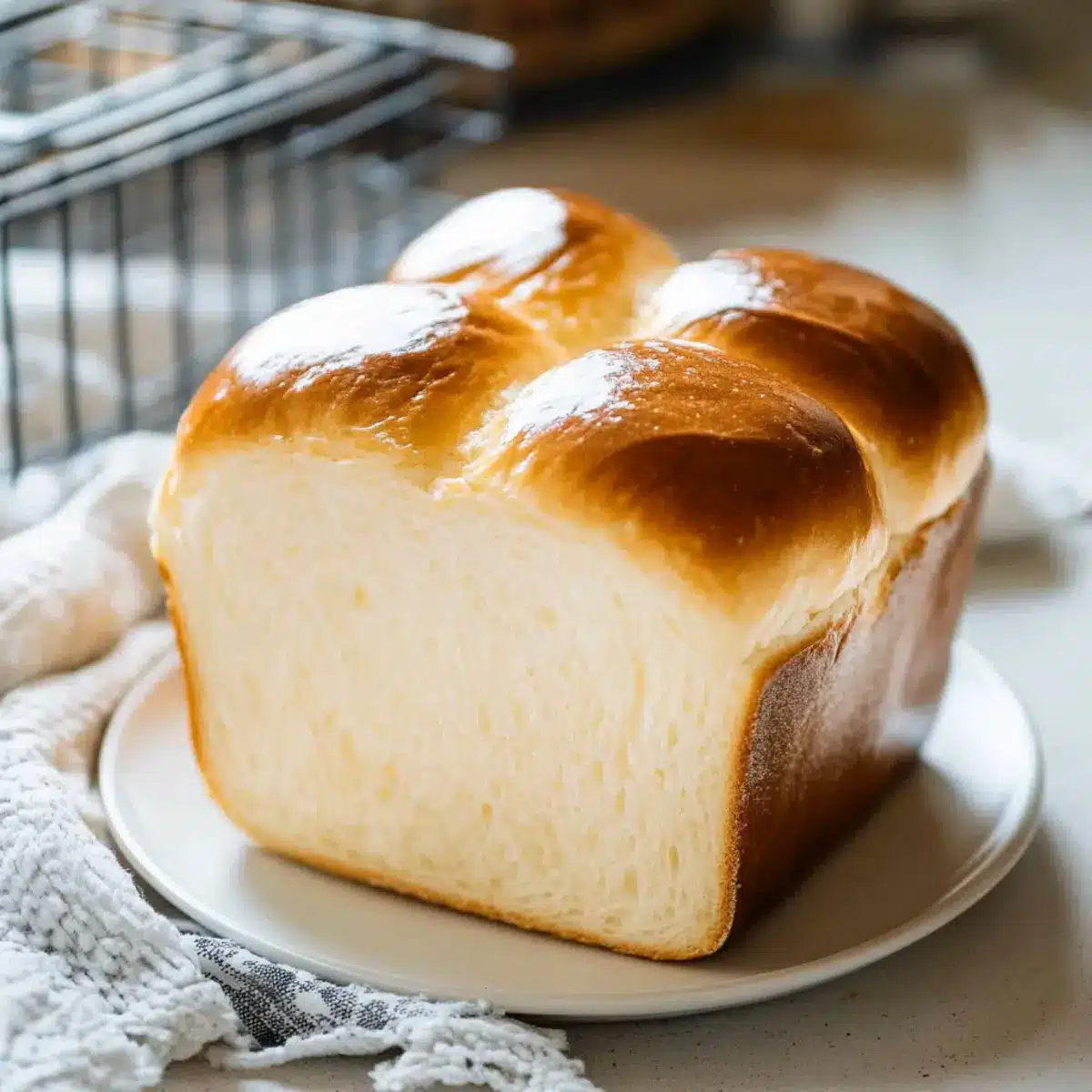
Fluffy Japanese Milk Bread Loaf You’ll Crave Every Morning
Ingredients
Equipment
Method
- In a medium bowl, combine 50 g of bread flour with 40 ml of boiling water, stirring until a smooth mixture forms. Cover the bowl tightly with plastic wrap and let it sit at room temperature overnight.
- The next day, in a large mixing bowl, combine 150 ml of room temperature milk, 15 g of sugar, 10 g of softened unsalted butter, and 3 g of dry instant yeast. Add the prepared Yudane mixture to this bowl.
- Carefully add 200 g of bread flour and 5 g of salt to your yeast mixture, mixing gently until no dry flour remains.
- Attach a kneading hook to your mixer and set it to low speed, mixing for about 2 minutes. Gradually increase to speed 5-6 and continue kneading for approximately 20 minutes.
- Transfer the dough into a greased bowl, covering it with cling wrap. Place the bowl in a warm area (ideally around 86°F/30°C) for 45 minutes to 1 hour.
- Once risen, gently punch down the dough to release excess air, then divide it into two equal pieces. Allow to rest, covered for about 20 minutes.
- Roll each piece of dough into a rectangle, fold the sides toward the center and roll from one end to create a tight cylinder. Place the shaped dough into a lightly greased loaf pan.
- Preheat your oven to 365°F (185°C) and bake the loaf for 25-30 minutes, or until golden brown.
- After baking, remove the loaf from the pan and set it on a wire rack to cool completely.
Leave a Reply