
As I flipped through my collection of recipes one particular evening, I stumbled upon a vibrant photograph of Spicy Korean Gochujang Beef Noodles, and it instantly captured my imagination. The thought of diving into a dish brimming with bold flavors, tender beef, and chewy noodles made my stomach growl. This recipe is a game-changer in the kitchen, as it not only comes together in a snap, but also offers a customizable experience that will satisfy your cravings any night of the week. Whether you’re looking for a comforting meal after a long day or a lively dish to share with friends, these Gochujang Beef Noodles promise to deliver a taste of Korea right to your table. Ready to stir up some excitement in your next dinner? Let’s dive into the delicious details!
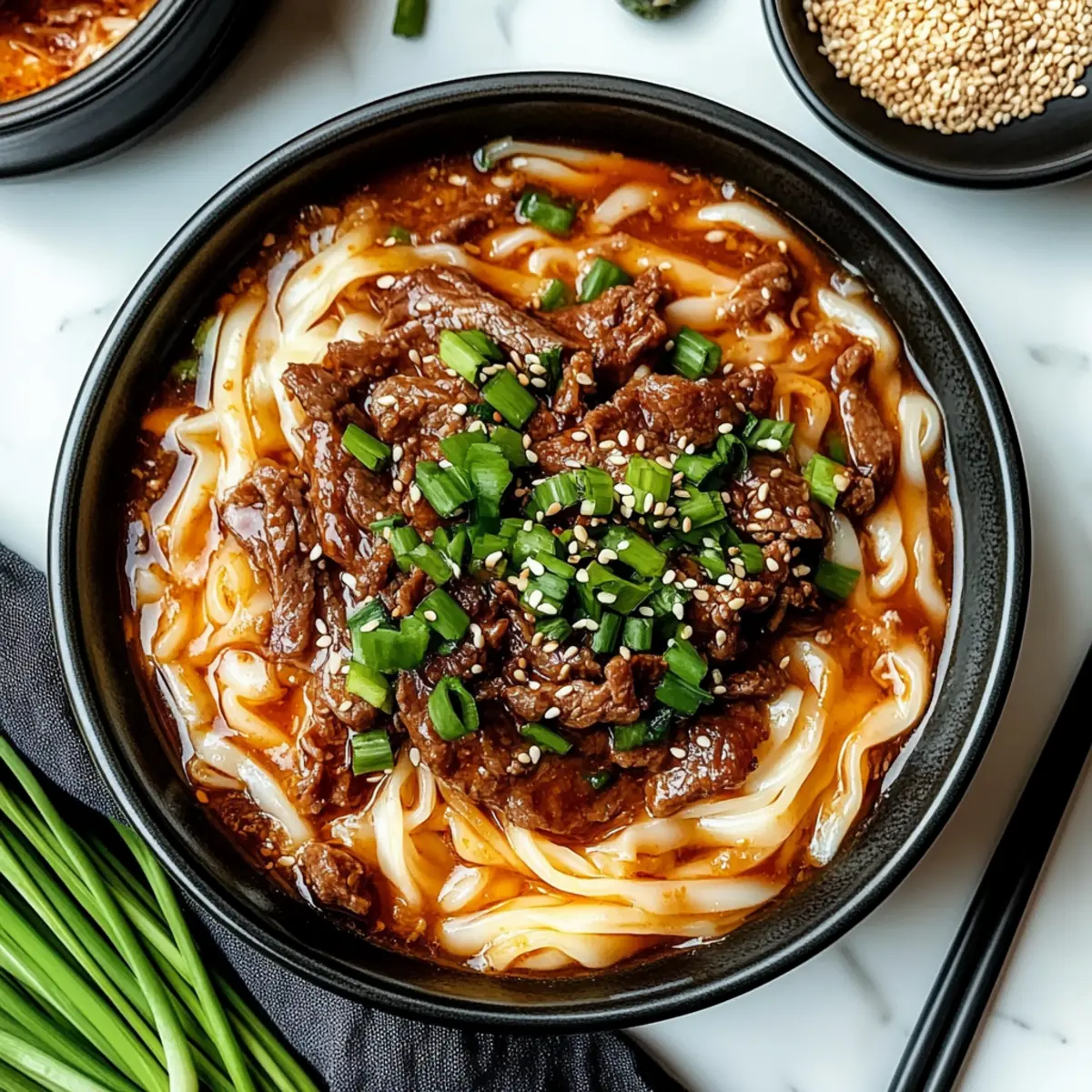
Why make Gochujang Beef Noodles?
Unforgettable Flavor: The spicy kick of gochujang brings an incredible depth that dances on your taste buds, making each bite feel like a celebration.
Quick and Easy: Ready in just 30 minutes, this recipe is perfect for busy weeknights when you crave something more than takeout.
Customizable Delight: With the option to swap proteins and veggies, you can create your own unique twist to fit your dietary needs.
Comforting and Satisfying: Tender beef and chewy noodles enveloped in a sizzling sauce provide that cozy, home-cooked feeling we all long for.
Crowd-Pleasing Dish: Serve it at your next gathering, and watch your friends and family ask for seconds! Don’t forget to check out our Thai Basil Beef for another delicious option!
Perfect Sidekick: Pair it with a crisp salad or classic kimchi to elevate the meal and add a refreshing contrast.
Gochujang Beef Noodles Ingredients
For the Beef
• Beef Sirloin – Tender and quick-cooking protein source. Substitution: Chicken, pork, shrimp, or tofu can be used for variation.
For the Vegetables
• Vegetable Oil – For sautéing the beef and vegetables. Substitution: Can use sesame oil for added flavor.
• Garlic (3 cloves, minced) – Adds aromatic depth and richness. No substitutions recommended.
• Onion (1, sliced) – Provides sweetness and bulk. Substitution: Shallots for a milder flavor.
• Red Bell Pepper (1, sliced) – Adds color, sweetness, and crunch. Substitution: Any bell pepper variety or snap peas for a different texture.
For the Sauce
• Soy Sauce (1/4 cup) – Provides salty umami flavor. Substitution: Tamari for gluten-free.
• Brown Sugar (2 tablespoons) – Balances out the spice with sweetness. Substitution: Honey or maple syrup.
• Gochujang (2 tablespoons) – Korean chili paste that adds spiciness. Adjust according to spice preference; no direct substitute.
• Sesame Oil (1 tablespoon) – Adds a nutty flavor. No substitutions recommended but can use other oils for sautéing.
• Rice Vinegar (1 tablespoon) – Adds acidity and brightness. Substitution: Apple cider vinegar or white vinegar.
For the Noodles
• Cooked Noodles (8 ounces) – Base for the recipe. Substitution: Rice noodles or spaghetti if desired.
For Garnishing
• Sesame Seeds – For garnish. Optional but recommended for added texture.
• Sliced Green Onions – For garnish and freshness. Can substitute with cilantro for a different flavor.
Step‑by‑Step Instructions for Gochujang Beef Noodles
Step 1: Prep Ingredients
Start by preparing all your ingredients. Thinly slice the beef sirloin into bite-sized strips, mince the garlic, and slice the onion and red bell pepper. Cook the noodles according to package instructions, usually about 5-7 minutes, until al dente. Drain and set aside, ensuring they’re ready to soak up the delicious flavors when you combine everything.
Step 2: Sauté Beef
In a large skillet, heat 2 tablespoons of vegetable oil over medium-high heat. Once shimmering, add the sliced beef and cook for 3-4 minutes until browned and just cooked through. Stir occasionally for even cooking. When done, remove the beef from the skillet and set it aside on a plate, keeping it warm while you prepare the vegetables and sauce.
Step 3: Cook Vegetables
In the same skillet, add another splash of oil if needed and toss in the minced garlic and sliced onion. Sauté for 1-2 minutes until fragrant and the onion becomes translucent. Next, add the sliced red bell pepper and continue cooking for an additional 2-3 minutes until the pepper softens slightly, brightening the dish and enhancing the flavor profile of your Gochujang Beef Noodles.
Step 4: Make Sauce
While the vegetables are cooking, prepare the sauce in a small bowl. Combine the soy sauce, brown sugar, gochujang, sesame oil, and rice vinegar, whisking until the sugar dissolves and the mixture becomes smooth. This sauce will bring the perfect spicy-sweet balance to your dish, so set it aside for the next step.
Step 5: Combine
Pour the prepared sauce into the skillet with the sautéed vegetables, and stir to combine. Let the mixture simmer for about 1-2 minutes to intensify the flavors and ensure everything is coated. The vibrant colors and aromas will begin to envelop your kitchen, signaling that your Gochujang Beef Noodles are coming together beautifully.
Step 6: Add Beef and Noodles
Return the cooked beef to the skillet, mixing it thoroughly with the vegetable and sauce mixture. Next, add the drained noodles, tossing gently to combine everything evenly. Coat the noodles and beef in the glossy sauce for about 2 minutes over medium heat until heated through, ensuring each noodle is infused with that delightful gochujang flavor.
Step 7: Finishing Touches
Allow the Gochujang Beef Noodles to cook for an additional 2-3 minutes, stirring occasionally. This final touch will meld all the flavors together while ensuring the ingredients are heated evenly. Be mindful not to overcook, as the beef should remain tender and juicy, maintaining that comforting essence of your homemade meal.
Step 8: Garnish and Serve
Remove the skillet from heat. To serve, plate the noodles and generously sprinkle with sesame seeds and sliced green onions for a pop of freshness and crunch. Present your delicious Gochujang Beef Noodles hot, inviting your family or friends to dig in and enjoy the vibrant flavors of this comforting dish.

Make Ahead Options
These Spicy Korean Gochujang Beef Noodles are perfect for meal prep and will save you time during busy weeknights! You can prepare the beef and vegetables up to 24 hours in advance. Simply slice the beef and vegetables, then store them separately in airtight containers in the refrigerator. The sauce can also be mixed ahead of time and refrigerated for up to 3 days. When you’re ready to serve, just sauté the beef and vegetables until cooked through, add the sauce, and combine with the cooked noodles for a quick, satisfying meal. This way, you’ll enjoy just as delicious flavors while minimizing cooking time!
Expert Tips for Gochujang Beef Noodles
-
Spice Control: Adjust the amount of gochujang to cater to your spice preference. If it’s too fiery, balance it out with extra brown sugar.
-
Beef Tenderness: Cook the beef just until browned; overcooking can lead to tough meat. This ensures a succulent texture in your Gochujang Beef Noodles.
-
Ingredient Readiness: Prep all ingredients before starting. This will create a smoother cooking experience and keep your noodles perfectly cooked without being overdone.
-
Flavor Boosting: Enhance the dish by adding a splash of lime juice or fresh herbs like cilantro at the end for a refreshing twist.
-
Storage Guidelines: Store leftovers in an airtight container for up to 4 days in the fridge. Reheat gently to keep the noodles from becoming mushy.
Gochujang Beef Noodles Variations
Get ready to explore exciting twists and swaps for your Gochujang Beef Noodles, making them uniquely yours!
-
Dairy-Free: Swap soy sauce for tamari and use coconut sugar instead of brown sugar for a naturally sweet taste.
-
Protein Switch: Replace beef with succulent shrimp or tofu for a lighter alternative that still packs a flavor punch. Either option will hold up well in the spicy sauce.
-
Add Crunch: Toss in some chopped peanuts or cashews just before serving to give your dish that satisfying crunch. It adds a delightful texture that balances the noodles beautifully.
-
Heat it Up: If you like things extra spicy, add a few slices of fresh jalapeño or a sprinkle of crushed red pepper flakes for an additional kick.
-
Vegetable Boost: Mix in your favorite vegetables like snap peas or baby bok choy for added nutrition and color. The more, the merrier—these veggies will mix well with the sauce!
-
Spicy Noodle Salad: Leave the noodles chilling in the fridge and mix with fresh veggies and a light dressing for a revitalizing, cold dish that’s perfect for summer days.
-
Bibimbap Style: Serve your Gochujang Beef Noodles deconstructed, topped with a fried egg and fresh cucumbers or spinach for a delightful twist inspired by Korean bibimbap.
Feel free to get creative with your ingredients, just like you would in our Thai Basil Beef, and discover a new favorite!
What to Serve with Spicy Korean Gochujang Beef Noodles
Elevate your dining experience with dishes that perfectly complement the robust flavors of this spicy, savory meal.
-
Kimchi: This traditional Korean side dish adds a tangy crunch that balances the heat of the noodles beautifully.
-
Crisp Cucumber Salad: Refreshing and light, this salad with a sesame dressing provides a cooling contrast to the spicy noodles, making each bite a delight.
-
Steamed Broccoli: Tender, vibrant green broccoli adds an earthy depth and is a nutritious side that brings a satisfying crunch to your plate.
-
Sweet Potato Wedges: Roasted sweet potato wedges are lightly caramelized, providing a hint of sweetness that complements the spicy punch of the gochujang sauce.
-
Sesame-Stir-Fried Bok Choy: This quick vegetable side is packed with flavor and nutrients, the sesame oil enhances the umami experience while keeping it light.
-
Cold Soba Noodle Salad: A chilled noodle salad with sesame dressing is a refreshing counterpart that allows the heat of the beef to shine while cooling down the palate.
-
Korean Rice Wine (Makgeolli): Pair your meal with this mildly sweet, bubbly beverage that enhances the flavors and adds a festive flair to the dining experience.
How to Store and Freeze Gochujang Beef Noodles
Fridge: Store leftovers in an airtight container for up to 3-4 days. This keeps your Gochujang Beef Noodles fresh and flavorful for a quick meal later.
Freezer: For longer storage, freeze in freezer-safe containers. They can be kept for up to 3 months. Just make sure to cool the noodles completely before freezing to prevent ice crystals.
Reheating: To enjoy, thaw overnight in the refrigerator, then reheat on the stove over low heat, adding a splash of water or broth to retain moisture and ensure even heating.
Assembling Fresh: Consider storing sauce and noodles separately if preparing ahead. This helps maintain the noodles’ texture and allows you to enjoy freshly cooked flavors later.
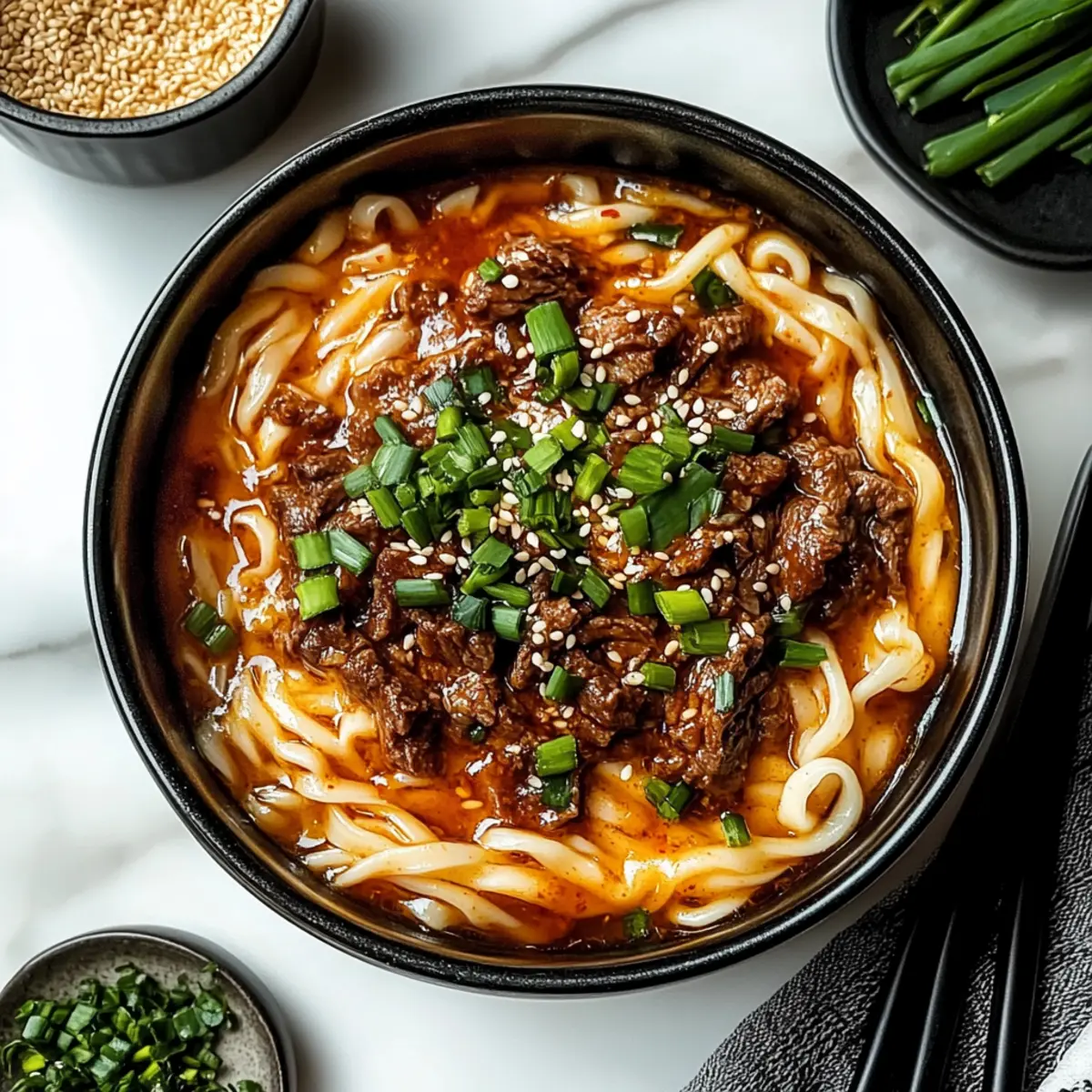
Gochujang Beef Noodles Recipe FAQs
What type of beef should I use for Gochujang Beef Noodles?
Absolutely, for the best flavor and tenderness, I recommend using beef sirloin. It cooks quickly and remains succulent. If you’re looking for alternatives, chicken, pork, shrimp, or even tofu can be fantastic substitutions, offering a delightful twist to this spicy dish!
How do I store Gochujang Beef Noodles?
To keep your Gochujang Beef Noodles fresh and tasty, store them in an airtight container in the fridge for up to 3-4 days. Make sure they’re completely cool before sealing, which helps prevent condensation that can lead to sogginess.
Can I freeze Gochujang Beef Noodles?
Very! You can freeze Gochujang Beef Noodles for up to 3 months. Just be sure to cool them completely before transferring them to freezer-safe containers. For the best result, I suggest separating the noodles and sauce, allowing you to reheat them perfectly when you’re ready to enjoy a comforting meal.
What can I do if the noodles get mushy when reheating?
If your noodles end up a bit mushy, don’t worry! Reheating them gently on the stove with a splash of water or broth can help revive their texture. Heat over low heat, stirring occasionally, to warm them through without overcooking. This technique can rejuvenate those delicious flavors!
Can I adjust the spice level in Gochujang Beef Noodles?
Definitely! If you prefer a milder dish, start with a smaller amount of gochujang and gradually add more to suit your taste. You can also balance out the heat by incorporating extra brown sugar, which will sweeten the dish while softening the spiciness.
Are Gochujang Beef Noodles suitable for people with certain dietary restrictions?
Yes! If you have gluten sensitivities, simply substitute soy sauce with tamari. Additionally, for a vegetarian option, swap out the beef for tofu or tempeh. Always check the labels to ensure all ingredients align with your dietary needs!
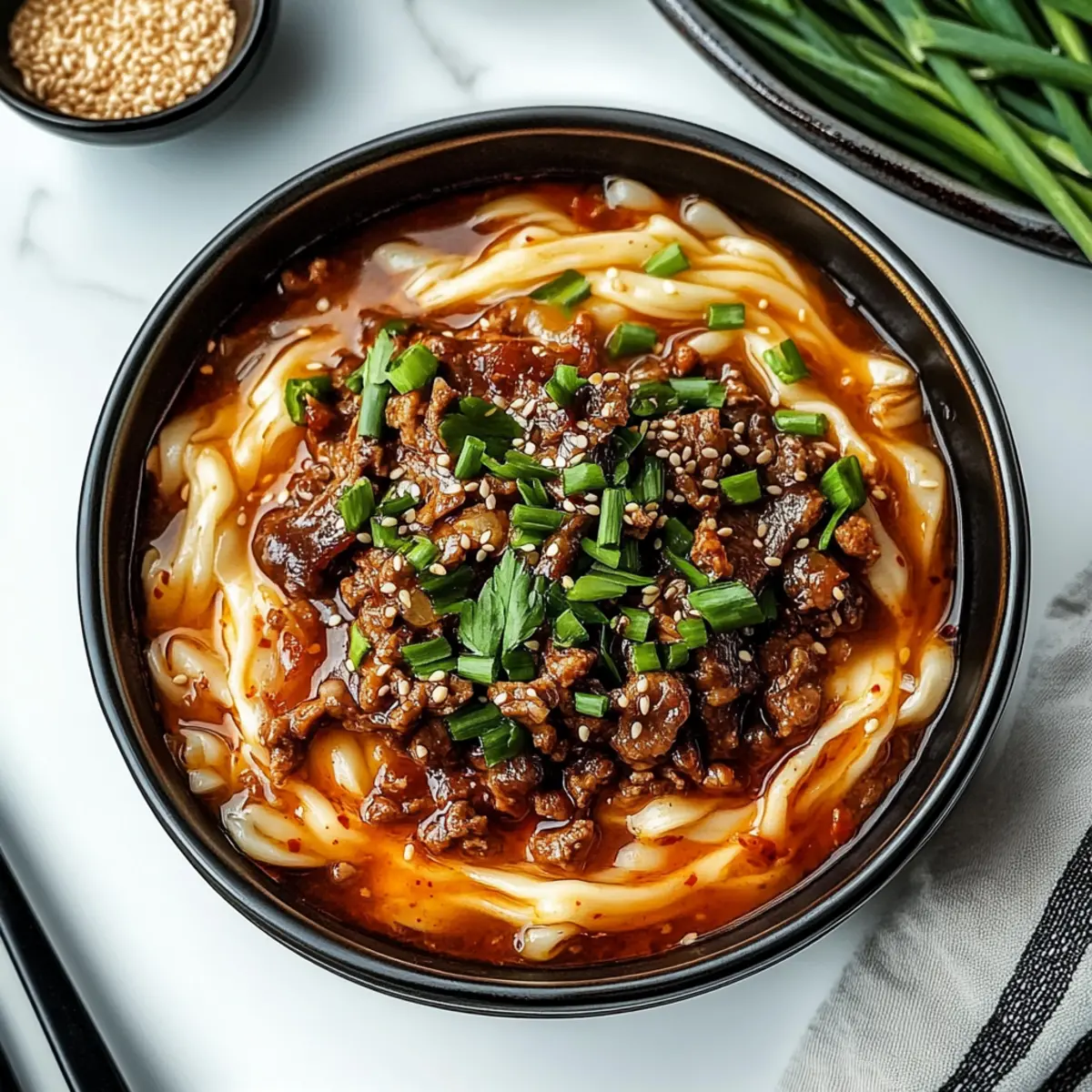
Savory Gochujang Beef Noodles for a Spicy Comfort Meal
Ingredients
Equipment
Method
- Prep Ingredients: Slice the beef sirloin, mince garlic, and slice onion and red bell pepper. Cook noodles according to package instructions.
- Sauté Beef: Heat vegetable oil in a skillet, add beef, and cook until browned. Remove from skillet and keep warm.
- Cook Vegetables: In the same skillet, add garlic and onion. Sauté until fragrant, then add red bell pepper.
- Make Sauce: In a bowl, combine soy sauce, brown sugar, gochujang, sesame oil, and rice vinegar. Whisk until smooth.
- Combine: Pour sauce into skillet with vegetables and simmer for 1-2 minutes.
- Add Beef and Noodles: Return beef to skillet, mix with vegetables and sauce, then add noodles.
- Finishing Touches: Cook for 2-3 minutes, stirring occasionally.
- Garnish and Serve: Plate noodles and sprinkle with sesame seeds and green onions before serving.
Leave a Reply