
The aroma of boiling water mingling with flour is a reminder of my favorite childhood moments, when a simple recipe transformed into something magical right in my kitchen. Today, I’m excited to share my journey into Homemade Ramen Noodles—a fresh and versatile delight that opens the door to endless culinary possibilities. These handmade noodles not only provide a healthier alternative to their store-bought counterparts but also elevate your favorite dishes with their delightful chewiness. Whether you’re crafting a comforting bowl of ramen, tossing them in a vibrant stir-fry, or whipping up a refreshing cold noodle salad, this recipe is perfect for anyone eager to experiment in the kitchen. Can you imagine the satisfaction of slurping noodles you created yourself? Let’s dive in and discover the joy of homemade ramen together!
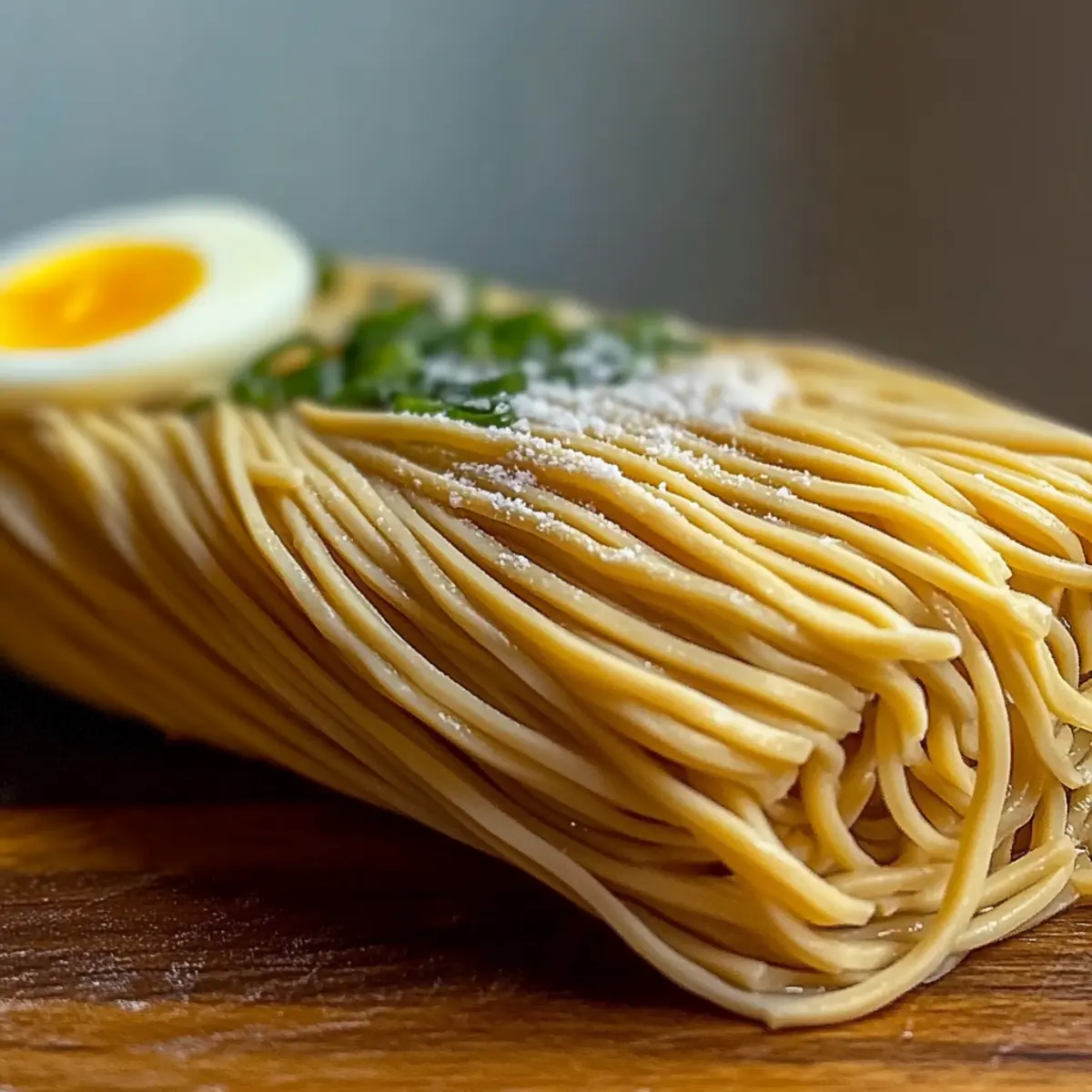
Why Homemade Ramen Noodles?
Unmatched Quality: Homemade ramen noodles offer a freshness that store-bought varieties simply can’t match. Their delightful chewiness transforms any dish!
Versatile Options: Whether you prefer a hearty broth, a lively stir-fry, or a cool summer salad, these noodles adapt to your culinary style.
Healthier Choice: By making your own, you control the ingredients, resulting in fewer preservatives and healthier meals.
Fun to Make: Crafting your noodles is a rewarding experience! You’ll impress family and friends alike, making it a great activity.
Perfect Base: Serve them topped with specialties like sliced green onions, or go gourmet with dishes reminiscent of Fiery Chicken Ramen or Tan Tan Ramen. You’ll never want takeout again!
Homemade Ramen Noodles Ingredients
For the Noodles
- All-Purpose Flour – Creates the structure; whole wheat is a great substitute for a healthier option, just adjust water as needed.
- Baking Soda – Mimics the alkaline nature found in kansui, enhancing taste and color.
- Water – Hydrates the flour; humidity and flour type can alter the amount, so feel free to adjust.
For Cooking
- Salt – Enhances flavor while boiling; don’t skip this step for tastier noodles.
- Cornstarch – Prevents sticking after cutting; ensure noodles are well-dusted for smooth cooking.
These homemade ramen noodles are not only fresh but also provide endless culinary possibilities!
Step‑by‑Step Instructions for Homemade Ramen Noodles
Step 1: Prepare Dough
In a large mixing bowl, combine all-purpose flour and baking soda thoroughly. Gradually add water while mixing with your hands or a spoon until a shaggy dough forms. This process should take about 3-5 minutes. Once combined, the dough will be slightly sticky and shaggy, which is an ideal starting point for homemade ramen noodles.
Step 2: Knead
Transfer the dough onto a floured surface and begin kneading it firmly for about 10 minutes. The dough should become smooth and elastic as you work it, which is essential for that perfect ramen texture. If needed, sprinkle flour as you knead to prevent sticking. When done, the dough should be soft yet not tacky to the touch.
Step 3: Rest
After kneading, shape the dough into a ball and cover it with a damp cloth or plastic wrap. Let it rest for 30 minutes at room temperature; this step allows the gluten to relax, making rolling much easier. You can take this time to prepare any toppings you’d like for your ramen later.
Step 4: Roll Out
Once rested, divide the dough into four equal pieces. Using a pasta machine or a rolling pin, roll out each piece to your desired thickness, about 1/16 inch for traditional ramen. Aim for even thickness throughout. Keep an eye on the dough; it should be pliable and not spring back when stretched—this shows it’s ready for cutting.
Step 5: Cut Noodles
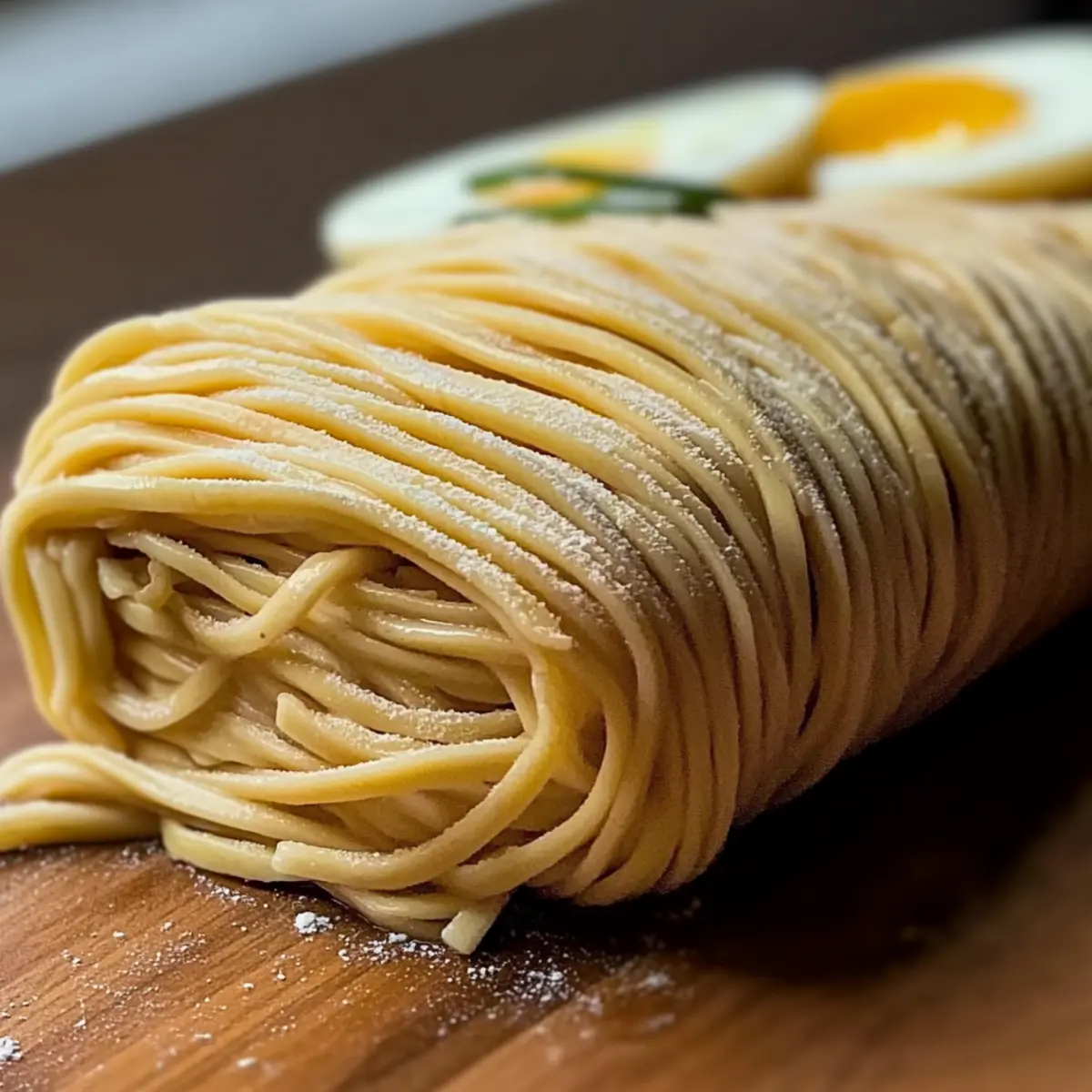
Take the rolled-out dough and fold it gently before slicing into your preferred noodle shape—strips for classic ramen or squares for a different texture. Dust each cut noodle generously with cornstarch to prevent sticking. This step is crucial, especially for homemade ramen noodles, to ensure they remain separated while cooking.
Step 6: Cook
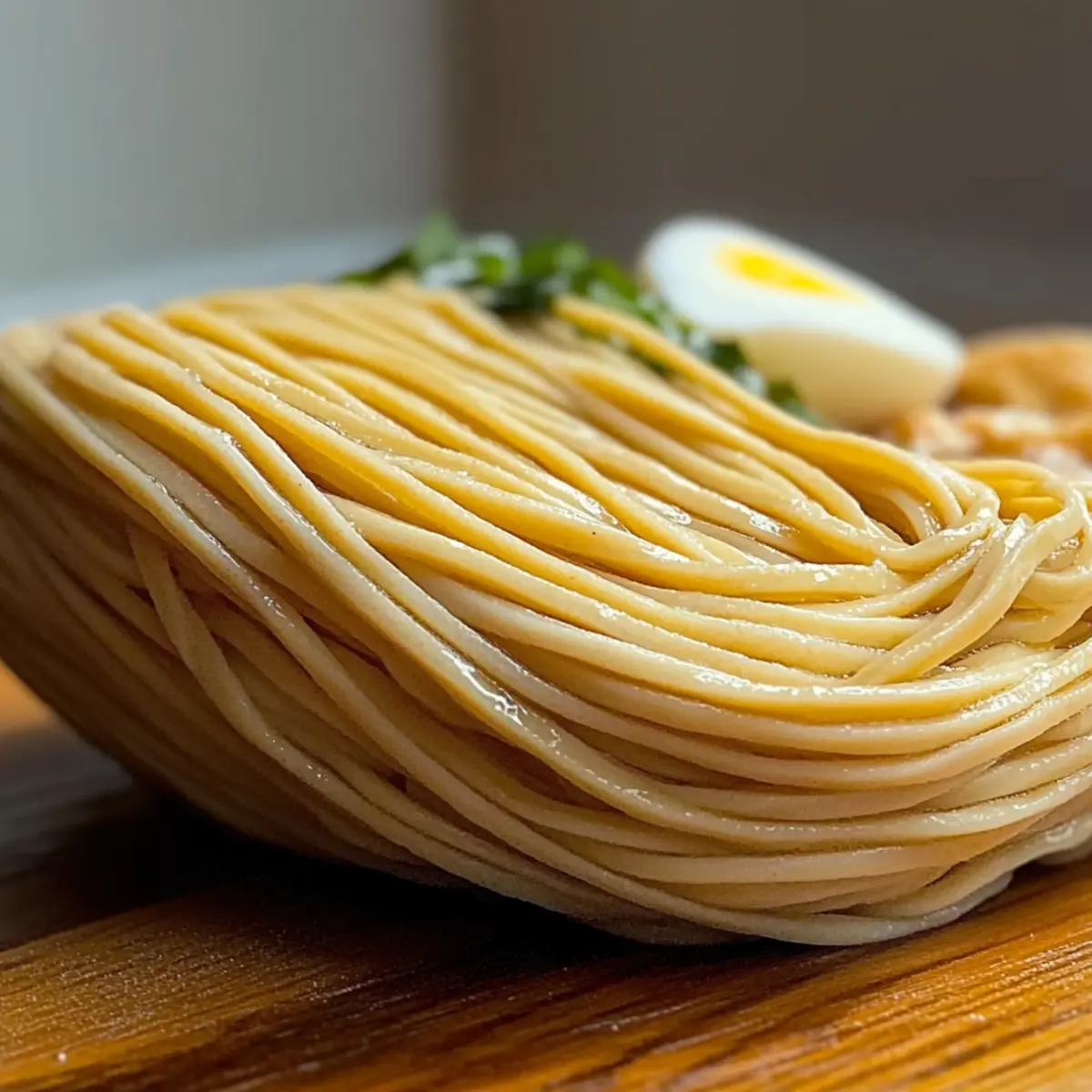
Bring a large pot of salted water to a rolling boil over high heat. Carefully add the cut noodles and cook for 2-3 minutes until tender but still firm to the bite. You’ll know they’re done when they start to float. Immediately drain the noodles in a colander and rinse with cold water to stop the cooking, preserving their delightful chewiness.
Expert Tips for Homemade Ramen Noodles
• Perfect Dough Consistency: Ensure the dough is slightly sticky but not wet. This balance helps create the ideal chewy texture for homemade ramen noodles.
• Knead Well: Don’t rush the kneading process; a good 10 minutes will develop gluten, which is crucial for the texture.
• Rest Matters: Letting the dough rest is key to achieving elasticity. Don’t skip this step for easier rolling.
• Use Cornstarch Wisely: Dust the noodles generously with cornstarch after cutting to prevent them from clumping together while cooking.
• Watch Cooking Time: Cook the noodles just until tender, as they can become mushy if overcooked. Aim for that perfect al dente bite!
• Store Smartly: If you have extra noodles, store them with cornstarch in an airtight container; they last in the fridge for up to 2 days.
What to Serve with Homemade Ramen Noodles?
Indulging in a comforting bowl of homemade ramen is a delightful experience, and pairing it with the right sides makes it even more memorable.
- Creamy Miso Soup: This rich soup adds depth, enhancing the umami flavors of the noodles while offering a warm, soothing accompaniment.
- Stir-Fried Veggies: Crisp vegetables sautéed in garlic soy sauce provide a crunchy texture and vibrant colors to create a harmonious plate.
- Soft-Boiled Eggs: A soft-boiled egg, with its runny yolk, enriches the ramen experience, adding creaminess that beautifully complements the chewy noodles.
- Spicy Kimchi: This tangy crunch adds a delightful spicy kick to counteract the rich flavors of the broth, offering a palate-pleasing experience.
- Seaweed Salad: Light and refreshing, a seaweed salad brings a unique saltiness that contrasts well with the noodles while contributing a fresh element.
- Gyoza (Dumplings): These savory bites filled with your choice of meat or vegetables provide a satisfying textural contrast, making them a fantastic side.
- Chilled Soba Salad: Perfect for warm days, a chilled soba salad features fresh vegetables and a zesty dressing, complementing the ramen noodles nicely.
- Sake or Green Tea: Pair your meal with a glass of sake or a soothing cup of green tea to enhance the savory notes and complete your dining experience.
Storage Tips for Homemade Ramen Noodles
Fridge: Store uncooked noodles dusted with cornstarch in an airtight container in the refrigerator for up to 2 days. This keeps them fresh and prevents sticking.
Freezer: For longer storage, place uncooked noodles in a single layer on a baking sheet to freeze for about an hour, then transfer to an airtight freezer bag. They’ll last up to 3 months.
Cooked Noodles: Keep cooked homemade ramen noodles in an airtight container in the fridge for up to 3 days. Rinse with cold water to cool before storing.
Reheating: To reheat, immerse the cooked noodles in boiling water for about 1 minute until heated through, then drain and serve with your favorite broth or sauce.
Homemade Ramen Noodles Variations
Feel free to get creative and customize your homemade ramen noodles for a unique twist that excites your taste buds!
- Whole Wheat: Substitute all-purpose flour for whole wheat flour for a nuttier flavor and denser texture.
- Spicy Kick: Add chili paste or flakes to the dough for a warm, spicy flavor that elevates your noodles to another level.
- Herb-Infused: Incorporate dried herbs like oregano or basil into the flour for a fragrant noodle that’ll surprise your palate.
- Cold Noodle Salad: Take cooked noodles and toss them with fresh veggies and a tangy dressing for a refreshing summer dish.
- Creamy Sauce: Swap broth for a creamy garlic or tahini sauce to create a luxurious and delightful coating for your noodles, perfect for a rich flavor.
- Asian Stir-Fry: For a quick meal, stir-fry the cooked noodles with seasonal vegetables and your choice of protein. It’s a delicious balance of textures and flavors.
- Flavor Boost: Use a splash of soy sauce or sesame oil in the cooking water to infuse your noodles with added depth and richness.
- Noodle Soup: For the ultimate comfort, prepare a warm broth such as Chicken Spinach Ramen that perfectly complements your noodles, enveloping them in a hug of flavor.
No matter how you choose to enjoy these noodles, each variation celebrates the joy of cooking and the comfort of homemade goodness!
Make Ahead Options
These Homemade Ramen Noodles are a perfect meal prep solution for busy weeknights! You can prepare the dough and cut the noodles up to 24 hours in advance. Simply follow the initial steps—mixing the flour, baking soda, and water—and cut the noodles, ensuring you dust them with cornstarch to prevent sticking. Store the uncooked noodles in an airtight container in the refrigerator. When you’re ready to enjoy your delicious homemade ramen noodles, just boil them in salted water for 2-3 minutes until tender. This method not only saves you time but keeps the noodles just as delightful and chewy when you serve them!
Homemade Ramen Noodles Recipe FAQs
How do I choose the right flour for homemade ramen noodles?
Absolutely! For the best results, I recommend using all-purpose flour for its perfect structure. If you’re looking for a healthier option, whole wheat flour can be used, but you’ll need to adjust the water slightly, as whole wheat absorbs more moisture.
How should I store uncooked homemade ramen noodles?
To store uncooked noodles, first dust them generously with cornstarch to prevent sticking. Place the noodles in an airtight container in the refrigerator, where they will stay fresh for up to 2 days. If you want to keep them longer, transferring them to the freezer is a great option!
Can I freeze homemade ramen noodles? What’s the best way?
Yes! To freeze uncooked noodles, lay them in a single layer on a baking sheet and freeze for about an hour. Then, carefully transfer the noodles to an airtight freezer bag. This method prevents them from clumping together. They can be stored in the freezer for up to 3 months. When ready to use, there’s no need to thaw; just drop them directly into boiling water for cooking!
What should I do if my ramen noodles turn out mushy?
Very! If your noodles become mushy, it’s often a result of overcooking. Aim for 2-3 minutes in boiling salted water; they should be tender but still firm to the bite (al dente). If they’re too soft, consider reducing the cooking time next time and keep an eye on them. You can always test a noodle a minute or so before the cooking time is up!
Can I safely give homemade ramen noodles to my pet?
While homemade ramen noodles are perfectly safe for human consumption, it’s best to avoid sharing them with your pets. The ingredients like baking soda can be harmful to pets in larger quantities. If you’re looking to treat your furry friend, stick to pet-safe options!
How should I store cooked homemade ramen noodles?
For sure! Cooked homemade ramen noodles can be stored in an airtight container in the fridge for up to 3 days. When storing, rinse them gently with cold water to cool them and keep them from sticking together. To reheat, simply immerse them in boiling water for about 1 minute until heated through, then drain and serve with your favorite broth or sauce.
Homemade Ramen Noodles: Fresh, Chewy Delights to Savor
Ingredients
Equipment
Method
- In a large mixing bowl, combine all-purpose flour and baking soda thoroughly.
- Gradually add water while mixing until a shaggy dough forms. This takes about 3-5 minutes.
- Transfer the dough onto a floured surface and knead it for about 10 minutes until smooth and elastic.
- Shape the dough into a ball and cover it, letting it rest for 30 minutes at room temperature.
- Divide the dough into four pieces and roll out to desired thickness, about 1/16 inch.
- Fold the rolled-out dough and cut it into your preferred noodle shape, dusting generously with cornstarch.
- Bring a large pot of salted water to boil. Add noodles and cook for 2-3 minutes until tender.
- Drain the noodles and rinse with cold water to stop the cooking.
Leave a Reply