
As I took my first bite of this Easy Gluten-Free Indonesian Sticky Coconut Cake, the luscious texture transported me straight to a vibrant market in Java, where fragrant coconut treats tantalize your senses. Wingko Babat is a delightful, traditional dessert that’s far more approachable than it seems. With only a few simple ingredients, this recipe transforms easily into a chewy, fudgy slice that satisfies both cravings for something sweet and the need for gluten-free options. Not to mention, it’s a breeze to whip up, making it perfect for casual get-togethers or cozy evenings at home. This sticky coconut cake is not just a dessert; it’s an invitation to explore a piece of Javanese culture, all while treating yourself to a heavenly homemade delight. Ready to embark on a tropical flavor adventure? Let’s dive in!
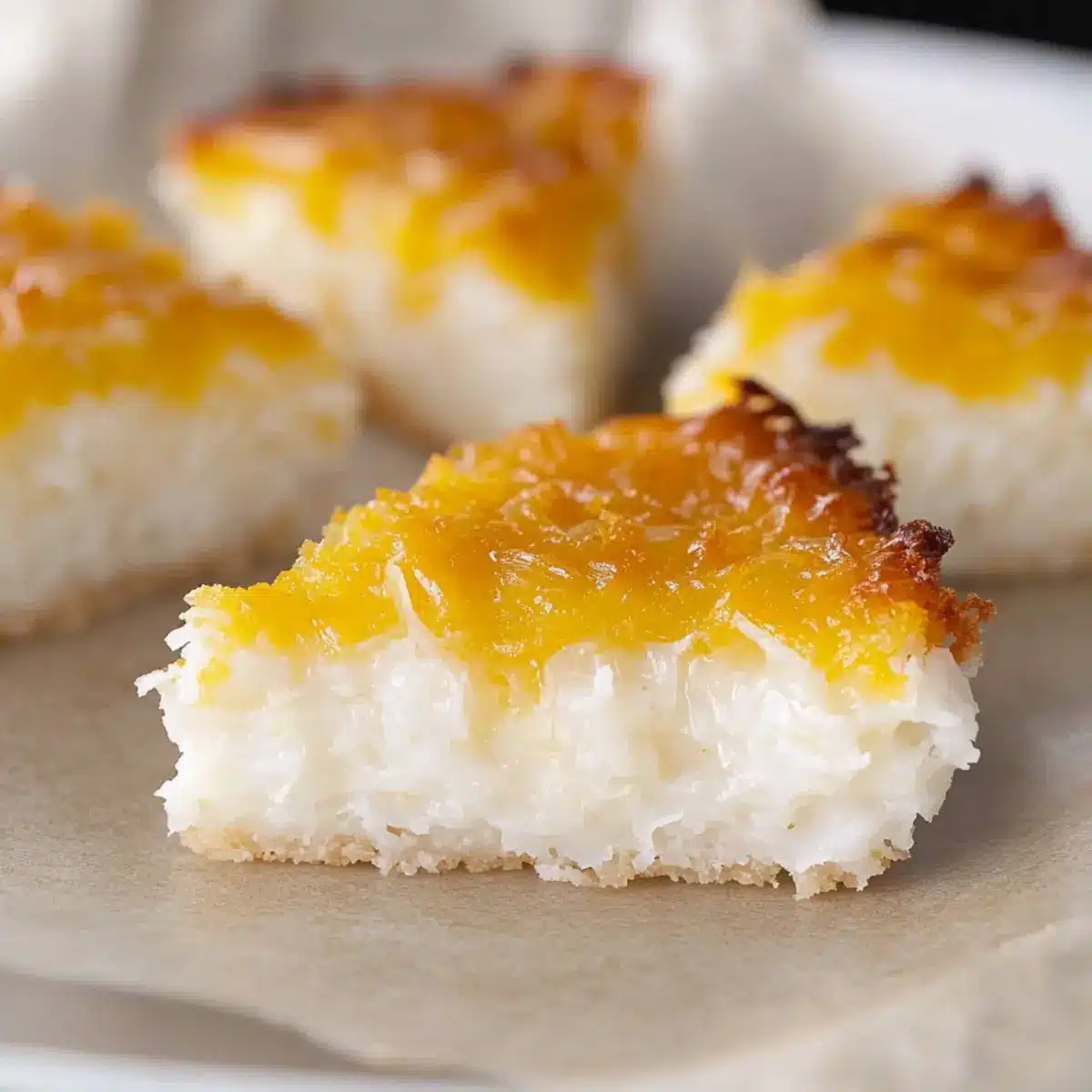
Why is this Sticky Coconut Cake special?
Deliciously Unique: This Easy Gluten-Free Indonesian Sticky Coconut Cake offers an exotic flavor experience like no other. Quick and Simple: With minimal ingredients and easy steps, you can whip up this delightful dessert in no time. Coconut Lover’s Dream: Bursting with rich coconut flavor, it’s perfect for those who adore tropical treats. Perfect for Gatherings: This cake is a crowd-pleaser, making it an ideal addition to parties or family dinners. Versatility Awaits: Feel free to experiment with mix-ins and toppings, like nuts or chocolate chips, to customize your cake! Treat yourself to this indulgent dessert that not only satisfies your sweet tooth but also brings a taste of Java right to your kitchen.
Sticky Coconut Cake Ingredients
For the Batter
- Eggs (2, separated) – Provides structure and moisture; aquafaba may be used as an egg replacer.
- Granulated Sugar (1¼ cup) – Sweetens the cake and helps achieve a golden crust; no substitutions typically recommended for this quantity.
- Full Fat Canned Coconut Milk (2¼ cup) – Adds creaminess and rich coconut flavor; shake before opening, as alternatives like thick almond milk may alter texture.
- Shredded Sweetened Coconut (3 cups) – Gives texture and enhances the coconut flavor; unsweetened shredded coconut is a suitable substitute for less sweetness.
- Glutinous Rice Flour (1½ cup) – Essential for the cake’s unique chewy texture; mochiko can be used in its place, but all-purpose flour is not a substitute.
- Vanilla Extract (1 teaspoon) – Adds depth of flavor; optional, but enhances sweetness.
For the Topping
- Beaten Egg Yolks (from separated eggs) – Creates a beautiful golden-brown finish when brushed on top; ensures an appealing presentation.
Embrace the essence of this Sticky Coconut Cake as you gather these delightful ingredients—ready to bring a taste of Indonesia to your home!
Step‑by‑Step Instructions for Easy Gluten-Free Indonesian Sticky Coconut Cake
Step 1: Mix the Batter
Begin by preheating your oven to 350°F (175°C). In a medium mixing bowl, whisk together the separated egg whites and granulated sugar until well combined and slightly frothy, about 2 minutes. Gradually incorporate the full-fat canned coconut milk, followed by the shredded sweetened coconut, glutinous rice flour, and vanilla extract. Mix until you achieve a smooth batter with no lumps.
Step 2: Pour and Bake
Grease an 8×8-inch baking pan to ensure easy removal of the cake. Pour the prepared batter into the greased pan, spreading it evenly with a spatula. Place the pan in the preheated oven and bake for 45 minutes, or until the edges are firm and the center has set but still feels slightly soft to the touch, creating that delightful chewy texture characteristic of Sticky Coconut Cake.
Step 3: Brown the Top
After baking, carefully remove the pan from the oven and set it on a heatproof surface. Beat the reserved egg yolks in a small bowl, then gently brush the beaten yolks over the warm surface of the cake to create a glossy, golden finish. Switch your oven to broil, and return the cake to the oven for an additional 5-10 minutes. Keep a close eye on it, as it can brown quickly; look for an inviting golden crust.
Step 4: Cool and Refrigerate
Once the top is perfectly browned, remove the cake from the oven and let it cool in the pan for about 30 minutes. After cooling, cover the pan with plastic wrap and refrigerate the cake for at least 8 hours or overnight. This chilling time allows the flavors to meld and makes slicing easier later while enhancing the chewy texture of the Sticky Coconut Cake.
Step 5: Serve the Cake
When you’re ready to serve, take the chilled cake out of the refrigerator and uncover it. Using a sharp knife, slice the cake into desired shapes—squares or triangles work beautifully. Serve the Sticky Coconut Cake cold or at room temperature, allowing everyone to indulge in this delightful treat that captures the essence of Indonesian flavors with every sticky, coconutty bite.
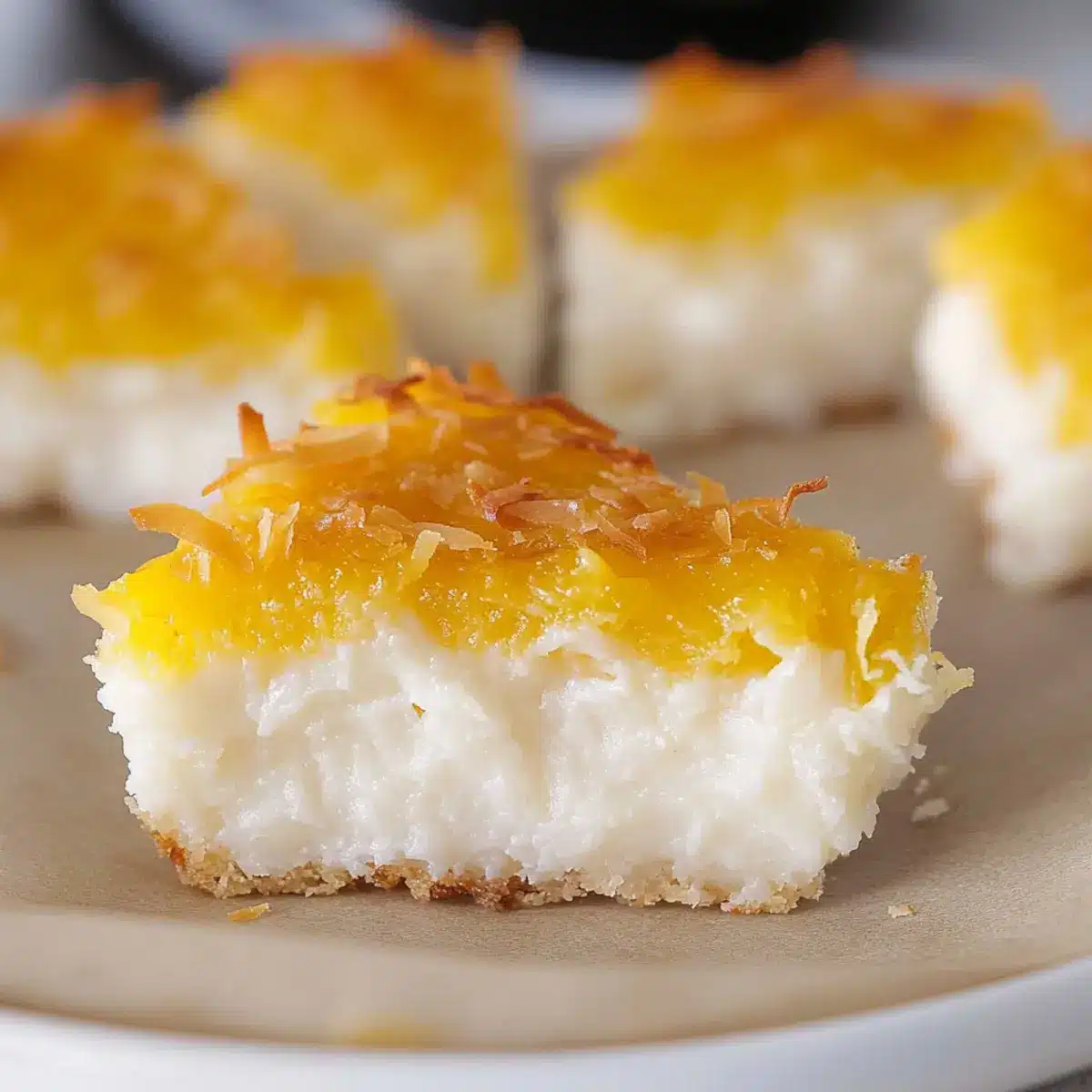
How to Store and Freeze Sticky Coconut Cake
Fridge: Store any leftover sticky coconut cake in an airtight container in the fridge for up to 2 weeks. This will keep it fresh and moist for enjoying later.
Freezer: For longer storage, slice the cake and wrap each piece tightly in plastic wrap, then place in a freezer-safe bag. It can be frozen for up to 3 months.
Thawing: To enjoy your frozen sticky coconut cake, transfer it to the fridge for a few hours or overnight to thaw. Serve chilled or at room temperature for the best texture.
Reheating: If desired, warm slices in the microwave for about 10-15 seconds. This will enhance the chewy texture without losing its delightful moisture.
Make Ahead Options
These Easy Gluten-Free Indonesian Sticky Coconut Cakes are perfect for busy home cooks looking to save time without sacrificing flavor! You can prepare the batter up to 24 hours in advance by following the mixing instructions and then storing it in an airtight container in the refrigerator. Alternatively, you can bake the cake and refrigerate it for up to 3 days before serving; this chilling time enhances the flavors and texture. When you’re ready to enjoy, simply slice the chilled cake and allow it to come to room temperature or serve cold for maximum delight. Remember to cover it well, so every bite stays just as delicious as when it was freshly made!
Sticky Coconut Cake Variations
Feel free to unleash your creativity and make this Sticky Coconut Cake truly your own!
-
Dairy-Free: Replace full-fat coconut milk with almond or oat milk for a lighter alternative. Just ensure they are thick enough for a creamy texture!
-
Flavor Infusion: Add a little orange or lime zest to the batter for a refreshing citrus twist that brightens the rich coconut flavor.
-
Chocolate Delight: Fold in mini chocolate chips or cocoa powder for a luscious chocolate-coconut fusion that’s irresistible.
-
Nutty Crunch: Incorporate toasted coconut flakes or chopped nuts for delightful texture contrasts, making your cake even more satisfying.
-
Sugary Finish: Top with a light dusting of powdered sugar or a drizzle of sweetened condensed milk for an added touch of sweetness and decadence.
-
Tropical Essence: Mix in crushed pineapple for an extra layer of natural sweetness and tropical flair that pairs beautifully with the coconut.
-
Vegan Version: Swap out egg whites for aquafaba and ensure all other ingredients are plant-based; your vegan friends will love you for this!
-
Spiced Up: Sprinkle in a dash of cinnamon or nutmeg for a warm, spiced flavor profile that adds complexity to every bite.
As you explore these variations, don’t forget to also check out our delightful Vegan Mango Cheesecake or Mini Chocolate Cheesecake recipes for more inspiration in your sweet creations!
What to Serve with Easy Gluten-Free Indonesian Sticky Coconut Cake?
Indulge in flavors and textures that perfectly complement this delightful dessert, creating a memorable meal experience.
-
Coconut Rice: The nuttiness and sweetness of coconut rice enhance the tropical vibes, beautifully mirroring the cake’s flavor. It makes for a lovely side that balances with savory dishes.
-
Fresh Tropical Fruit Salad: A bright mix of mango, pineapple, and kiwi adds a refreshing contrast to the dense cake, serving as a vibrant palate cleanser.
-
Creamy Vanilla Ice Cream: A scoop of rich vanilla ice cream brings an indulgent creaminess, softening the chewy texture of the sticky coconut cake while enriching the coconut flavor.
-
Coconut Milk Smoothie: Blend coconut milk with ice and a touch of honey for a cooling drink that deepens the coconut experience, perfect for a warm day.
-
Thai Iced Tea: The sweet, spiced notes of Thai iced tea create a delightful pairing, contrasting with the cake’s richness and enhancing your dessert experience.
-
Mango Sticky Rice: This popular dessert echoes the chewy texture of the coconut cake while bringing a new layer of sweetness with ripe mango slices drizzled in coconut milk.
-
Chai Tea: The warming spices of chai provide a cozy element that pairs wonderfully with the cake’s tropical flavors, suitable for quiet evenings at home.
These serving suggestions ensure each bite of this Easy Gluten-Free Indonesian Sticky Coconut Cake is a journey through delightful flavors and textures!
Helpful Tricks for Sticky Coconut Cake
- Measure Accurately: Precision in measuring the glutinous rice flour and sugar is crucial for achieving the cake’s ideal texture.
- Avoid Overmixing: Stir just until the ingredients are combined to prevent a tough cake; a few lumps are okay!
- Chill Properly: Allow the Sticky Coconut Cake to chill for at least 8 hours or overnight for the best flavor and texture.
- Monitor Browning: When broiling the egg yolk topping, stay close to prevent burning; it can go from perfect to overdone quickly.
- Store Smartly: Keep leftovers in an airtight container in the fridge for up to two weeks or freeze for easy indulgence later.
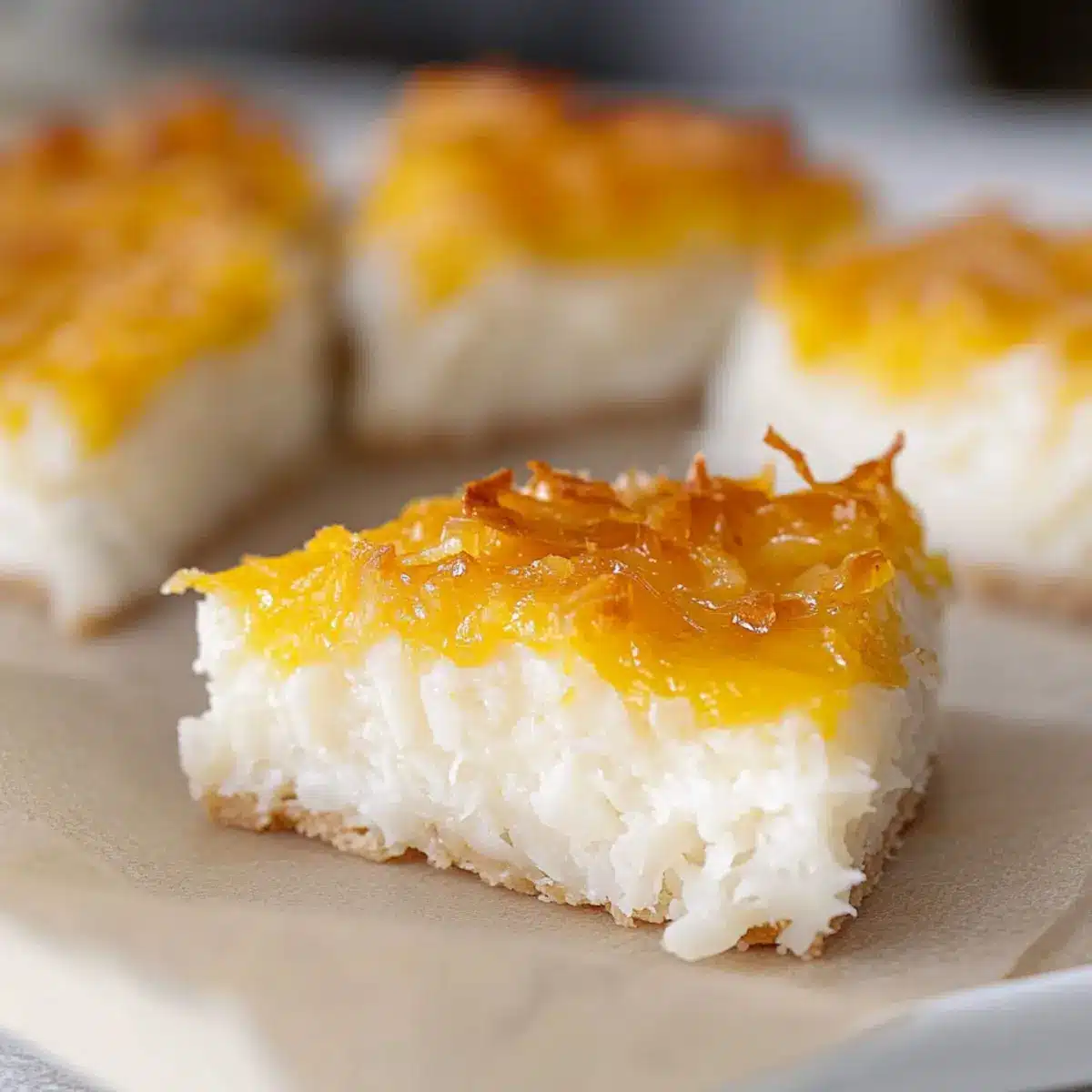
Sticky Coconut Cake Recipe FAQs
What kind of coconut milk should I use for this recipe?
Absolutely! I recommend using full-fat canned coconut milk for the richest flavor and creamy texture. Before opening, make sure to shake the can well to mix any separated fat. If you’re looking for a lighter alternative, you could use light coconut milk, though it may slightly alter the cake’s texture.
How should I store leftovers of Sticky Coconut Cake?
Store any leftover sticky coconut cake in an airtight container in the fridge for up to 2 weeks. This will keep it fresh and moist, making it easy to sneak a bite whenever you crave something sweet!
Can I freeze Sticky Coconut Cake?
Yes, you can! For longer storage, slice the cake and wrap each piece tightly in plastic wrap, then place them in a freezer-safe bag. It can be frozen for up to 3 months. To thaw, just transfer slices to the fridge for a few hours or overnight and enjoy chilled or at room temperature the next day.
What should I do if my batter ends up too runny?
If you find your batter is too runny, double-check your measurements for the glutinous rice flour. You might need to add a bit more flour to achieve the right consistency. Remember, it should be thick yet pourable. If you’ve added too much liquid, sprinkle in more flour gradually until the desired texture is reached.
Is this Sticky Coconut Cake suitable for people with allergies?
This cake is gluten-free due to the use of glutinous rice flour, making it suitable for those with gluten sensitivities. However, it contains eggs and coconut, so be cautious of nut allergies as shredded coconut may trigger reactions in some. If you need an egg-free option, aquafaba is an excellent substitute for egg whites.
Can I use unsweetened coconut instead?
Absolutely! Unsweetened shredded coconut can be used in place of sweetened coconut, especially if you’re watching sugar intake. Just keep in mind that it will alter the cake’s sweetness, so you may want to taste and adjust sugar levels accordingly.
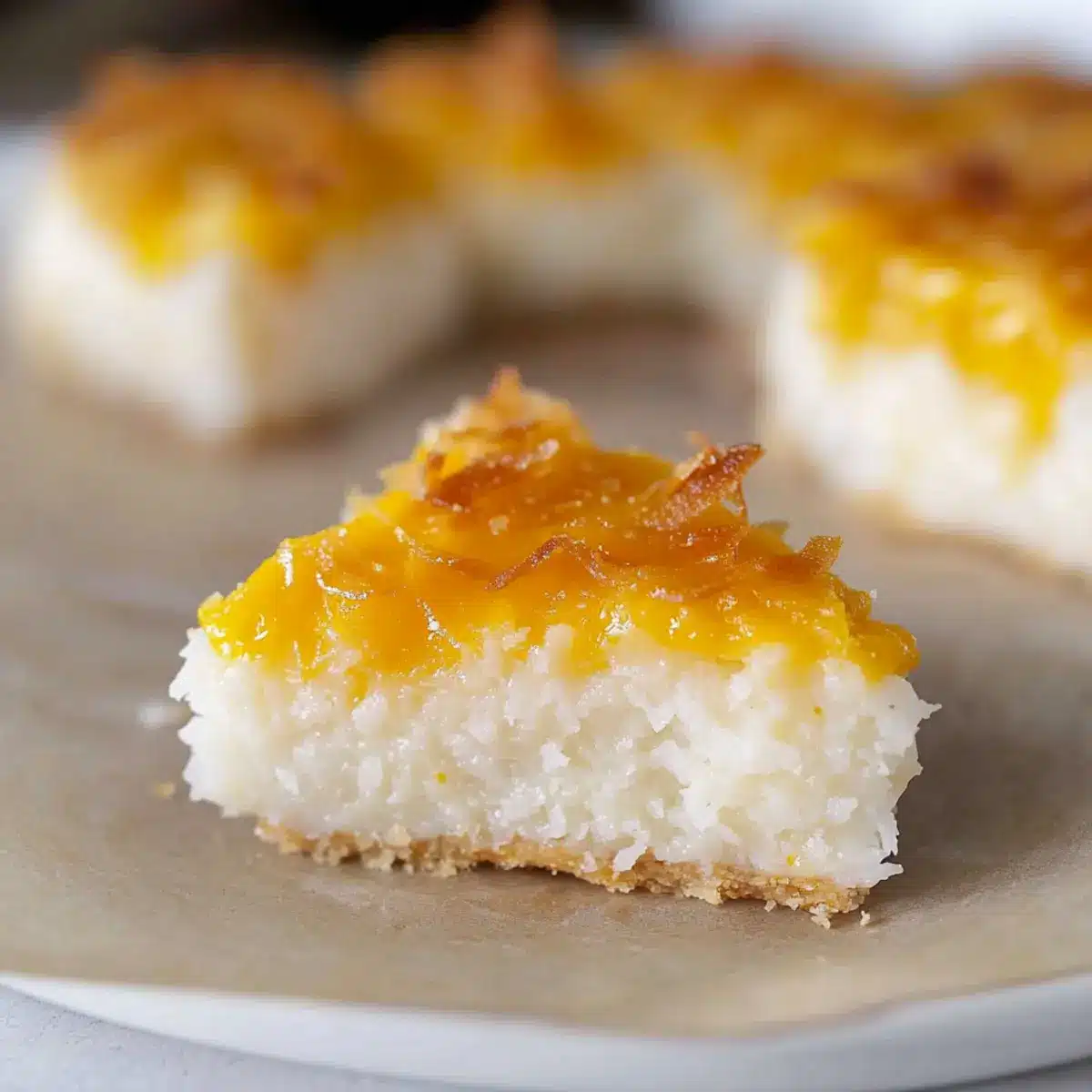
Irresistible Sticky Coconut Cake That's Naturally Gluten-Free
Ingredients
Equipment
Method
- Preheat your oven to 350°F (175°C). In a medium mixing bowl, whisk together the separated egg whites and granulated sugar until well combined and slightly frothy, about 2 minutes. Gradually incorporate the full-fat canned coconut milk, followed by the shredded sweetened coconut, glutinous rice flour, and vanilla extract. Mix until you achieve a smooth batter with no lumps.
- Grease an 8x8-inch baking pan to ensure easy removal of the cake. Pour the prepared batter into the greased pan, spreading it evenly with a spatula. Place the pan in the preheated oven and bake for 45 minutes, or until the edges are firm and the center has set but still feels slightly soft to the touch.
- After baking, carefully remove the pan from the oven. Beat the reserved egg yolks in a small bowl, then brush the beaten yolks over the warm surface of the cake. Switch your oven to broil and return the cake to the oven for an additional 5-10 minutes, watching closely.
- Once the top is browned, let the cake cool in the pan for about 30 minutes. Cover with plastic wrap and refrigerate for at least 8 hours or overnight to meld flavors.
- Slice the chilled cake into desired shapes and serve cold or at room temperature.
Leave a Reply