
As I rolled out the silky dough, the gentle scent of flour filled the kitchen, instantly whisking me back to my first taste of homemade ramen. There’s an undeniable joy that comes from crafting your own Homemade Ramen Noodles. Not only do they boast a fresher taste than anything from a package, but the process itself is profoundly satisfying. With just a handful of ingredients, you’ll create chewy, flavorful noodles that are incredibly versatile—perfect in a warm broth, a colorful stir-fry, or even a chilled salad. Plus, this recipe allows you to customize your noodles to suit your preferences while being a healthier alternative to the typical store-bought options. Curious about how to elevate your culinary skills and impress your friends? Let’s dive into the delicious world of homemade ramen!
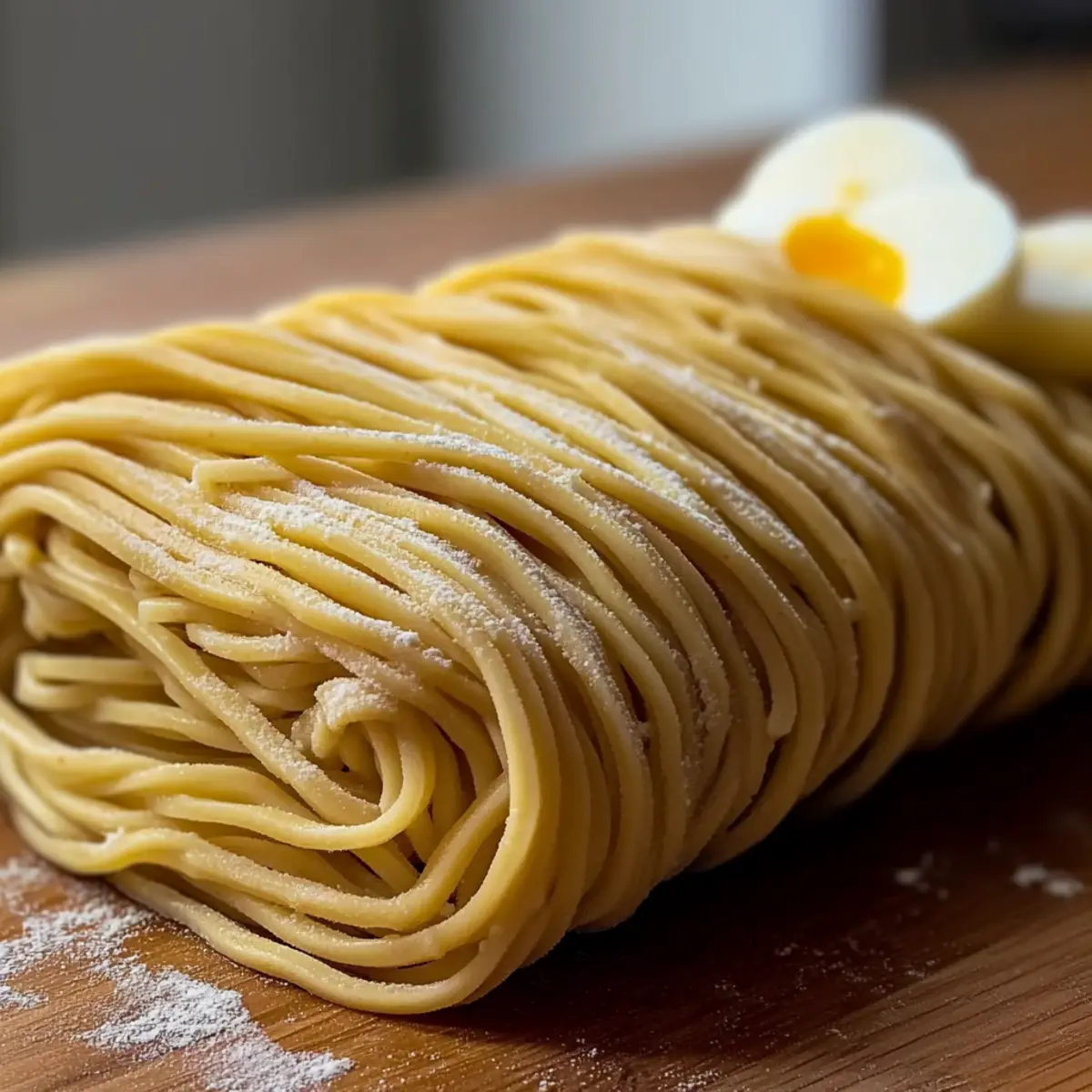
Why Make Homemade Ramen Noodles?
Homemade ramen noodles transform your cooking game, bringing freshness and authenticity right to your kitchen. Versatile, you can enjoy them in savory broth, vibrant stir-fries, or refreshing cold salads. Simple to craft, this recipe requires only a few ingredients, making it accessible for anyone. Healthier than store-bought options, you control what goes in, ensuring fewer preservatives. Discover how to elevate your dishes and impress loved ones with this delicious, hands-on experience! Pair your noodles with a delightful broth like Tan Tan Ramen for a complete meal!
Homemade Ramen Noodles Ingredients
• To craft your delicious, heartfelt dish, check out the essential ingredients below!
For the Dough
- All-Purpose Flour – Provides structure and chewiness; for a firmer texture, consider substituting with bread flour.
- Baking Soda – Mimics the alkaline quality of kansui, enhancing flavor and color; it’s essential for achieving authentic ramen noodles.
- Water – Hydrates the flour and activates gluten for the right noodle texture; adjust based on your kitchen’s humidity.
Step‑by‑Step Instructions for Homemade Ramen Noodles
Step 1: Prepare the Dough
In a mixing bowl, combine 2 cups of all-purpose flour and 1 teaspoon of baking soda thoroughly. Gradually add about 3/4 cup of water, mixing with your hands until a shaggy dough forms. Once combined, it should feel slightly tacky but not sticky; if it’s too dry, add a teaspoon of water at a time until it reaches the right consistency.
Step 2: Knead
Transfer the shaggy dough onto a floured surface and knead it for 8-10 minutes until it becomes smooth and elastic. The dough should feel soft yet firm and spring back slightly when pressed. Once ready, wrap the dough in plastic wrap or cover it with a towel, allowing it to rest for at least 30 minutes at room temperature to ensure gluten development.
Step 3: Roll Out
After resting, divide the dough into 2-4 equal pieces for easier handling. With a rolling pin or pasta machine, roll out each piece of dough to about 1/8-inch thickness, making sure it’s evenly flattened. The surface should be smooth and glossy, signaling it’s ready for cutting. Dust with flour to prevent sticking as you work.
Step 4: Cut Noodles
Using a sharp knife or pasta cutter, slice the rolled-out dough into your desired noodle width, traditionally around 1/4 inch for homemade ramen noodles. Ensure the cuts are even to promote uniform cooking. Once cut, gently toss the noodles with a little flour or cornstarch to avoid sticking as you prepare to cook them.
Step 5: Cook Noodles
Bring a large pot of water to a rolling boil, ensuring it’s well-salted for flavor. Add the freshly-cut noodles to the boiling water, and cook them for 2-3 minutes until they are al dente and slightly chewy. The noodles should float to the top, indicating they are cooked. Drain the noodles in a colander and rinse them under cold water to stop the cooking process and remove excess starch.
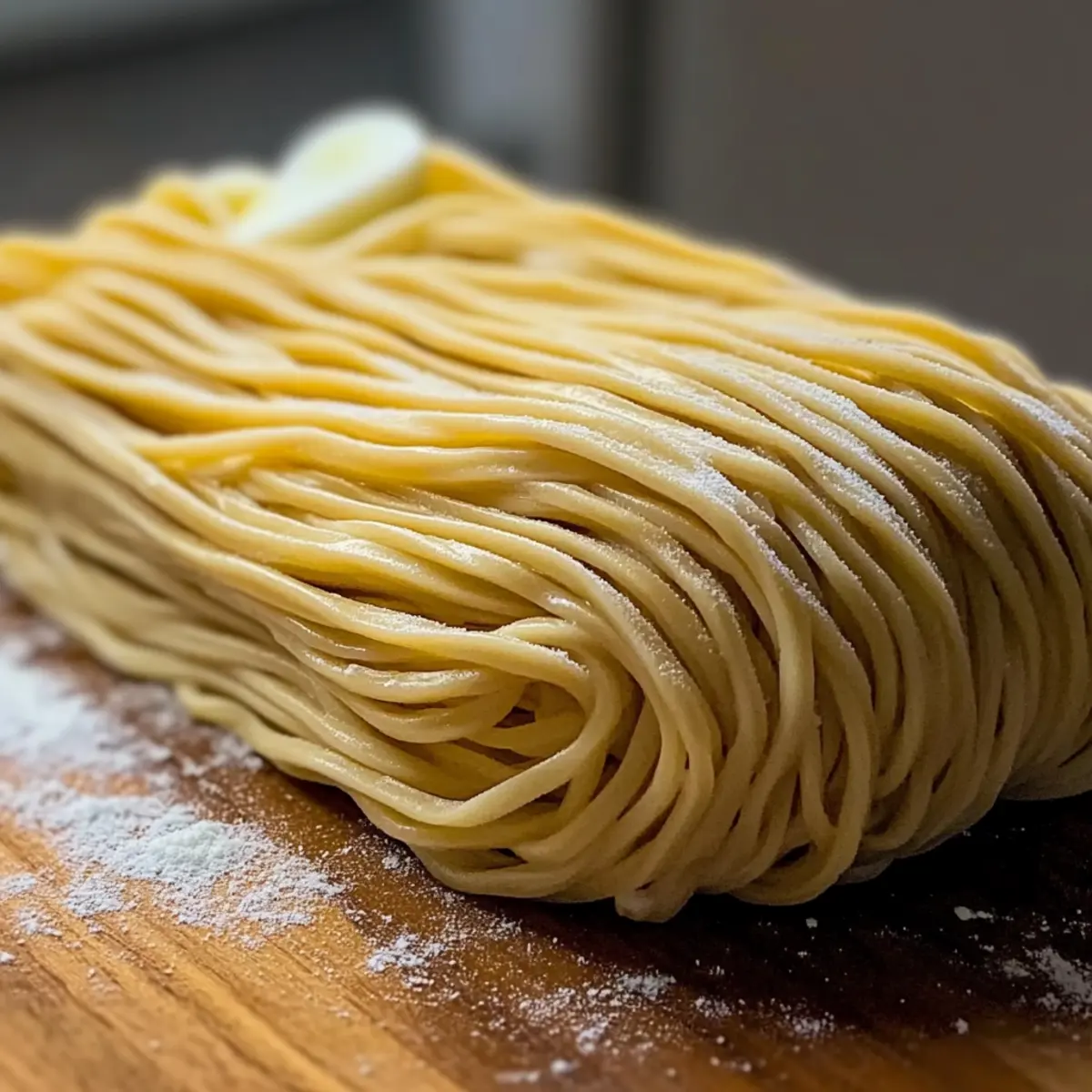
What to Serve with Homemade Ramen Noodles?
Bring your dining experience to the next level with these delightful pairings that harmonize perfectly with the warm embrace of homemade ramen.
- Savory Broth: A rich and umami-packed broth enhances the noodles’ flavor and provides warmth on a chilly evening.
- Stir-Fried Vegetables: Crisp-tender vegetables add vibrant color and crunch, creating a satisfying contrast with the chewy noodles.
- Soft-Boiled Eggs: Creamy and delicious, these eggs provide a luscious complement that brightens every bite of ramen.
- Marinated Tofu: Flavorful tofu infused with soy sauce brings a protein-rich element that’s both satisfying and nutritious.
- Crispy Nori Sheets: These seaweed sheets add a delightful salty crunch, making each bowl feel like a special treat.
- Spicy Chili Oil: A drizzle of chili oil offers a kick of heat, elevating the dish with an exciting burst of flavor.
- Pickled Vegetables: Tangy pickles such as radishes or cucumbers brighten the dish, providing a refreshing counterpoint to the rich broth.
- Jasmine Rice: A side of fluffy jasmine rice serves as a nutty base for any noodle leftovers, enhancing the meal’s heartiness.
- Green Tea: Pairing the meal with steamed green tea cleanses the palate and complements the nuances of the noodles beautifully.
- Chocolate Mousse: Finish your culinary journey with a light and fluffy chocolate mousse, its sweetness harmonizing perfectly with savory ramen.
How to Store and Freeze Homemade Ramen Noodles
Fridge: Store uncooked homemade ramen noodles in an airtight container for up to 2 days. Make sure to dust them lightly with cornstarch to prevent sticking.
Freezer: For longer storage, freeze uncooked noodles by placing them on a baking sheet in a single layer until firm, then transfer to a freezer bag. They can last for up to 3 months.
Reheating: To reheat cooked noodles, briefly submerge them in boiling water for about 30 seconds or simply microwave with a splash of water, ensuring they remain moist.
Cooked Noodles: Enjoy cooked homemade ramen noodles fresh, but if needed, they can be stored in the fridge for up to 1 day. Store in an airtight container to retain moisture.
Expert Tips for Homemade Ramen Noodles
-
Rest Time Matters: Allow the dough to rest for at least 30 minutes to develop gluten, which is essential for achieving the right chewy texture in your homemade ramen noodles.
-
Use a Pasta Machine: For uniform thickness and easier cutting, a pasta machine is a great investment. It ensures a consistent noodle size, making cooking times more reliable.
-
Avoid Sticking: Dust uncooked noodles with a little cornstarch to prevent them from sticking together if you’re planning to store them. This keeps them ready for later use!
-
Adjust Water Gradually: If the dough feels too dry during mixing, add water gradually, one teaspoon at a time. Proper hydration is key to the texture of homemade ramen noodles.
-
Test Noodle Doneness: Look for the noodles to float and taste them to achieve that perfect al dente. A perfectly cooked noodle is essential for a satisfying bite.
Make Ahead Options
These Homemade Ramen Noodles are perfect for meal prep enthusiasts! You can prepare the dough up to 24 hours in advance and store it wrapped tightly in plastic in the refrigerator to maintain its freshness and prevent drying out. The cut noodles can also be refrigerated for up to 2 days; just dust them lightly with cornstarch to prevent sticking. When you’re ready to enjoy your delicious homemade ramen, simply cook the noodles directly from the fridge in boiling water for 2-3 minutes until al dente. This way, you’ll have a wholesome, quick dinner on busy weeknights, without sacrificing taste or quality!
Homemade Ramen Noodles Variations
Feel free to embrace your creativity and make these homemade ramen noodles uniquely yours with some delightful twists!
-
Whole Wheat: Substitute half of the all-purpose flour with whole wheat flour for a nuttier flavor and added fiber. This swap enriches your noodles, making them heartier and even more satisfying.
-
Spice It Up: Add a pinch of cayenne pepper or chili flakes to the dough for a gentle kick. The warmth enhances the overall experience and plays beautifully with rich broths or toppings.
-
Herb-Infused: Mix in finely chopped fresh herbs, like parsley or basil, to the dough for a fragrant twist. These herbs infuse your noodles with fresh flavors, making them an exciting addition to any dish.
-
Miso Madness: For an umami boost, incorporate miso paste into the dough. Just adjust the water content slightly, as it will add moisture. The resulting noodles are delightful with savory, rich broths like in Tan Tan Ramen.
-
Shrimp or Crab Flour: Replace all-purpose flour with seafood flour for a unique flavor profile. This variation brings a coastal twist that pairs beautifully with light broths and seasonal vegetables.
-
Sesame Oil: Add a teaspoon of toasted sesame oil to the dough. This addition introduces a nutty aroma and elevates the noodles, making them perfect for stir-fries or serving with a sauce.
-
Vegetable-Infused: For a colorful touch, blend in powdered greens like spinach or beetroot into the flour. This not only enhances the nutrition but also makes your noodles visually stunning.
-
Cooking Styles: Try these noodles in various dishes; from a traditional bowl of ramen to a homemade stir-fry or even a cold noodle salad. For inspiration, be sure to check out the delicious serving suggestions with Chicken Spinach Ramen or indulge in a spicy bowl of Fiery Chicken Ramen.
With these easy variations, your homemade ramen noodles can truly become a canvas for culinary creativity! Enjoy experimenting and discovering which combinations you and your loved ones will adore the most!
Homemade Ramen Noodles Recipe FAQs
How do I choose the right flour for homemade ramen noodles?
Choosing the right flour is crucial for the perfect texture! I recommend using all-purpose flour for its ideal balance of chewiness and structure. However, for an even firmer texture, you can substitute half with bread flour. This combination gives your noodles the traditional bite that’s so satisfying!
What is the best way to store homemade ramen noodles?
Absolutely! Uncooked homemade ramen noodles should be stored in an airtight container in the refrigerator for up to 2 days. Remember to dust them lightly with cornstarch to prevent sticking. If you’re looking for a longer-term option, you can freeze them for up to 3 months. Just lay them out in a single layer on a baking sheet until firm, then transfer to a freezer bag!
Can I freeze homemade ramen noodles?
Yes, you can! To freeze your homemade ramen noodles, follow these steps: After cutting them, dust with cornstarch and lay them flat on a baking sheet. Place the baking sheet in the freezer for about 1-2 hours until the noodles are solid. Then, transfer them into a freezer-safe bag. They’ll last up to 3 months, making meal prep a breeze!
What should I do if my noodle dough doesn’t come together?
No worries! If your dough is too dry and won’t come together, it might need more water. Gradually add water, one teaspoon at a time, until it reaches the right consistency—shaggy but not sticky. Don’t be afraid to get your hands in there! Kneading for the right amount of time, around 8-10 minutes, also helps to develop the gluten needed for that perfect noodle texture.
Can I make these noodles gluten-free?
While traditional ramen noodles rely heavily on wheat flour for their signature chew, you can experiment with gluten-free alternatives! I recommend a gluten-free all-purpose flour blend that includes xanthan gum for structure. However, adjustments in hydration levels might be needed, so it’s best to start with a similar water ratio and adjust as you mix the dough. Your creativity can lead to delightful results!
Are homemade ramen noodles safe for pets?
It’s important to be cautious! While some ingredients like flour and water are safe for pets in moderation, avoid sharing cooked noodles with your furry friends. The added salt and seasoning often used in ramen broth can be harmful to them. Always check with your veterinarian if you’re unsure about any food item for your pets!
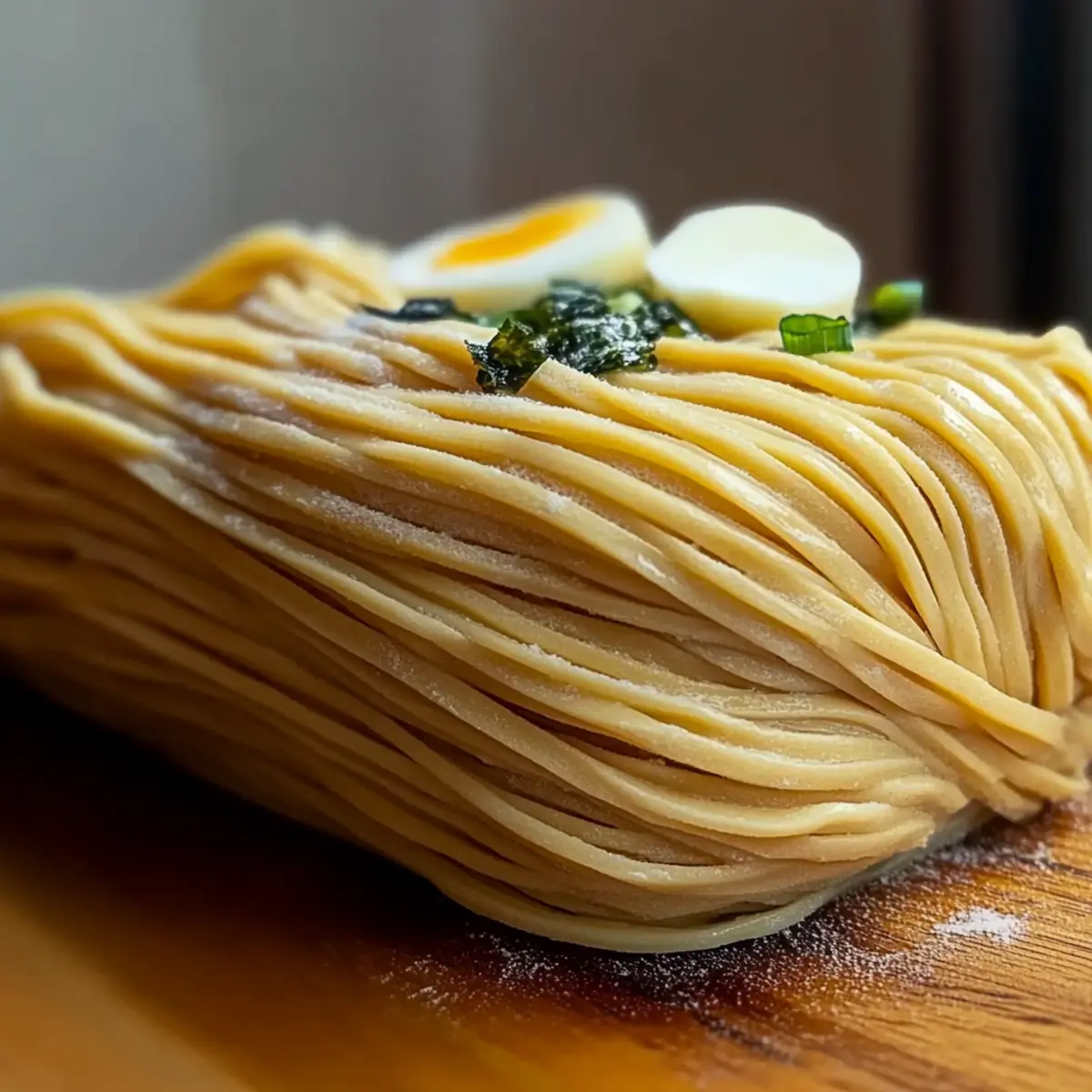
Homemade Ramen Noodles: Your Shortcut to Fresh, Savory Bliss
Ingredients
Equipment
Method
- In a mixing bowl, combine 2 cups of all-purpose flour and 1 teaspoon of baking soda thoroughly. Gradually add about 3/4 cup of water, mixing with your hands until a shaggy dough forms.
- Transfer the shaggy dough onto a floured surface and knead it for 8-10 minutes until it becomes smooth and elastic.
- Wrap the dough in plastic wrap or cover it with a towel, allowing it to rest for at least 30 minutes at room temperature.
- After resting, divide the dough into 2-4 equal pieces and roll out each piece to about 1/8-inch thickness.
- Using a sharp knife or pasta cutter, slice the rolled-out dough into your desired noodle width, traditionally around 1/4 inch.
- Bring a large pot of salted water to a rolling boil, add the noodles, and cook for 2-3 minutes until al dente.
- Drain the noodles in a colander and rinse under cold water to stop the cooking process.
Leave a Reply